
Are Humidifiers Safe for Bronchiectasis? Understanding the Risks
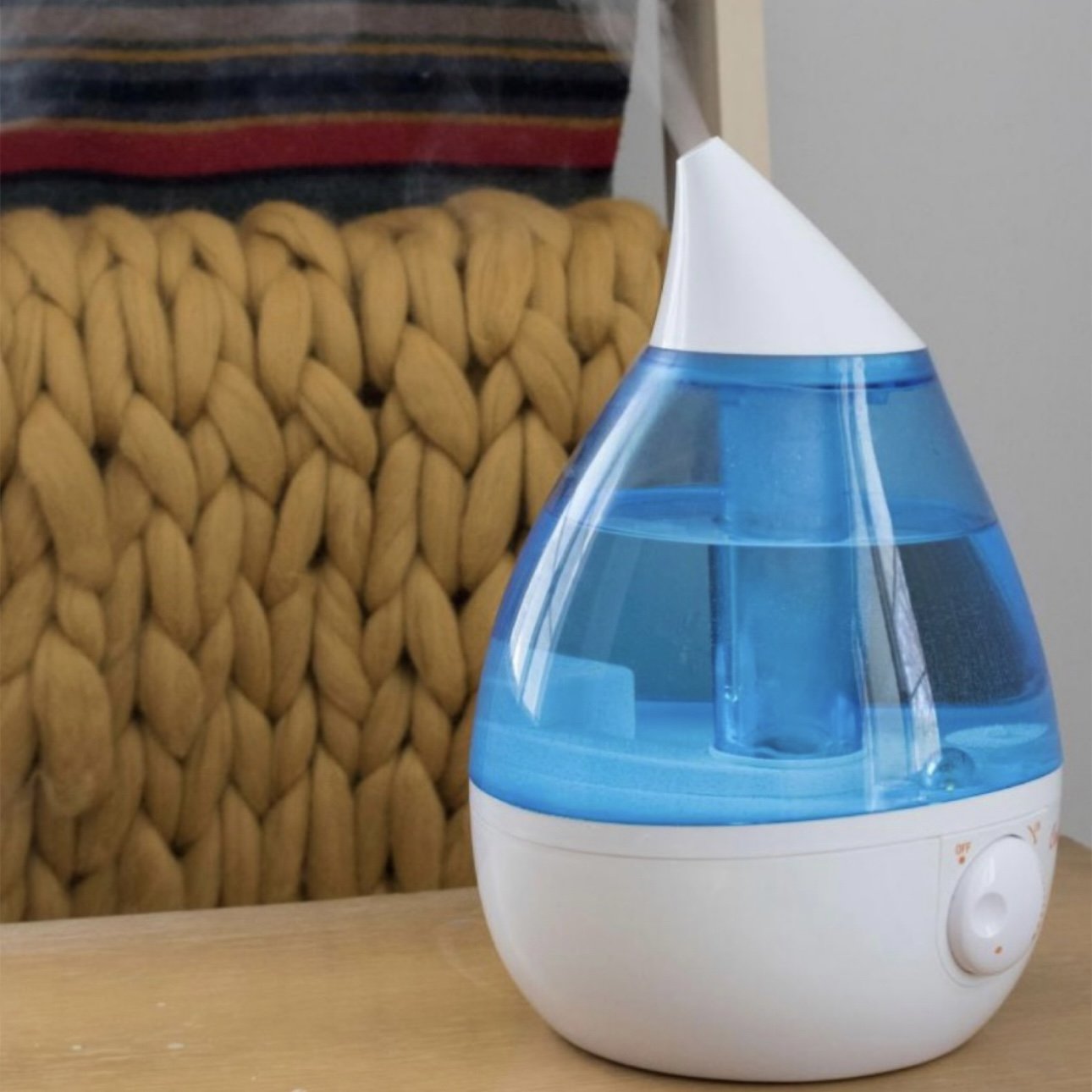
While humidifiers and vaporizers can make dry indoor air more comfortable, inadequate cleaning and maintenance may allow bacteria and other microorganisms to grow in the water reservoir. Depending on the type of humidifier, some of these organisms can become airborne and be inhaled, posing a concern for people living with bronchiectasis and other chronic lung conditions.
Joseph Falkinham, a leading microbiologist who studies lung pathogens, has explained that humidifiers can disperse organisms such as nontuberculous mycobacteria (NTM) into indoor air.
These bacteria are known for forming persistent biofilms in the lungs and can pose particular risks for individuals with bronchiectasis or other conditions that increase airway susceptibility to infection.
Why ultrasonic humidifiers raise concern
Dr. Falkinham is especially concerned about ultrasonic humidifiers, and the reason comes down to how they work. Ultrasonic humidifiers use high-frequency vibrations to break water into a very fine mist. Many substances present in water, including minerals, bacteria, and biofilm fragments, can become aerosolized.
Because the particles created are extremely small, they can remain suspended in the air longer and be inhaled deep into the lungs. This increases the potential for waterborne organisms, such as NTM and Pseudomonas, to reach the inflamed airways.
Why evaporative humidifiers are considered safer
Evaporative humidifiers work differently. They use a wick or filter and a fan, allowing only water molecules to evaporate into the air. Most bacteria, minerals, and heavier particles are left behind in the reservoir or trapped in the filter rather than becoming airborne.
For this reason, if a humidifier must be used, evaporative models are generally considered safer than ultrasonic models.
Lower-risk ways to add moisture to the air
Lower-tech approaches reduce risk by relying on evaporation rather than aerosolization. Examples include boiling water on the stove or using ceramic containers on radiators. When possible, using sterile or well-filtered water can further minimize exposure.
What works for me
What works for me may not be right for everyone, but adding moisture to the air without a traditional humidifier works well in my home. On occasion, I use an electric teapot filled with sterile water and leave the lid open as it boils to add moisture to the air. The kettle turns off automatically, and I unplug it when it is finished.
For those interested in learning more, the Bronchiectasis and NTM Info & Research Connect Forum offers thoughtful discussions about environmental precautions. This patient-only forum frequently includes input from Dr. Falkinham, including conversations about humidifiers and why evaporative approaches may be safer than ultrasonic devices.
Humidifier Safety Tips
If you choose to use a humidifier, consider these precautions:
Empty standing water every day.
Clean the reservoir according to the manufacturer’s instructions.
Replace filters when recommended.
Allow the unit to dry thoroughly between uses whenever possible.
Avoid allowing visible biofilm or mineral buildup to accumulate.
Follow your healthcare provider’s recommendations if you have bronchiectasis, NTM, or another chronic lung condition.
Frequently Asked Questions
Can humidifiers cause lung infections?
Humidifiers themselves do not cause infections. However, if microorganisms grow inside the reservoir and become aerosolized, they may increase exposure to bacteria or fungi, particularly in people with chronic lung disease.
Are ultrasonic humidifiers worse than evaporative humidifiers?
Many experts, including Dr. Joseph Falkinham, express greater concern about ultrasonic humidifiers because they produce extremely fine airborne droplets that may contain bacteria, minerals, and biofilm fragments. Evaporative humidifiers generally leave many of these particles behind in the reservoir or filter.
Should I use distilled or sterile water?
Using sterile water or distilled water may reduce mineral deposits and some contaminants. However, even with cleaner water, regular cleaning and maintenance remain essential because microorganisms can still grow inside the humidifier over time.
The Bottom Line
Humidifiers can provide comfort in dry environments, but for people living with bronchiectasis or NTM, it’s important to understand how different types of humidifiers work and the potential risks they may pose. By making informed choices, maintaining equipment carefully, and discussing concerns with your healthcare team, you can help create a home environment that supports your lung health.
Medical disclaimer
This content is for educational purposes only and reflects personal experience and general information. Always consult your physician or care team before making changes to your health or home care practices.
