

Managing Bronchiectasis Flare-ups & Infections
With the right information, tools, and support, you can learn to recognize early signs, respond quickly, and reduce the frequency and severity of these episodes. As someone living with bronchiectasis, I know how important it is to feel prepared, not panicked, when symptoms change.
Flare-ups and lung infections are among the most difficult and disruptive aspects of living with bronchiectasis. They can come on suddenly, interrupt your daily routine, and if not treated quickly, cause long-term lung damage.
Managing Bronchiectasis Flare-ups & Infections: Index
Early Signs of Infection | Exacerbation Symptoms | Scents as Triggers | Key Tools for Managing Infections | Antibiotics and Inhaled Medications | Treating Exacerbations | Your Bronchiectasis Action Plan | Reduce Risk of Flareup | Common Questions | Key Points
Noticing Changes: Early Signs of Infection

Recurring lung infections are one of the most challenging aspects of living with bronchiectasis. Because mucus can pool in the airways, it creates a favorable environment for bacteria such as Pseudomonas aeruginosa, Haemophilus influenzae, and nontuberculous mycobacteria, including Mycobacterium avium complex (MAC).
In my own experience, navigating a MAC infection added another layer of complexity and reinforced how important it is to stay attentive to changes in symptoms and to work closely with a knowledgeable care team.
Recognizing early signs of infection, treating flare-ups promptly, and having a plan in place can help prevent long-term lung damage while also reducing anxiety around sudden symptom changes.
Bronchiectasis Exacerbation Symptoms
It's not always easy to tell the difference between a "bad day" and the beginning of a true flare-up. A bronchiectasis flare-up (exacerbation) does not have to be caused by an infection. While infections, especially bacterial and viral, are the most common triggers, flare-ups can also result from non-infectious factors such as air pollution, pollen, dust, extreme temperatures, smoking, and missing regular treatments or airway clearance practices.
You may be experiencing an exacerbation if three or more of the following symptoms worsen within 48 hours:
Increased coughing
Change in the amount or texture of mucus
Yellow or green sputum
Worsening shortness of breath or exercise intolerance
Unusual fatigue or low energy
Coughing up blood (hemoptysis)

Using the Sputum Color Chart as a Biomarker for an Exacerbation
Mucus is part of the body's defense system. It helps protect the lungs from infection by trapping bacteria and other harmful particles. When the lungs are infected, the mucus can become thicker and more greenish in color. This is because the infection triggers the release of an enzyme called myeloperoxidase (MPO), which gives the mucus its green color.
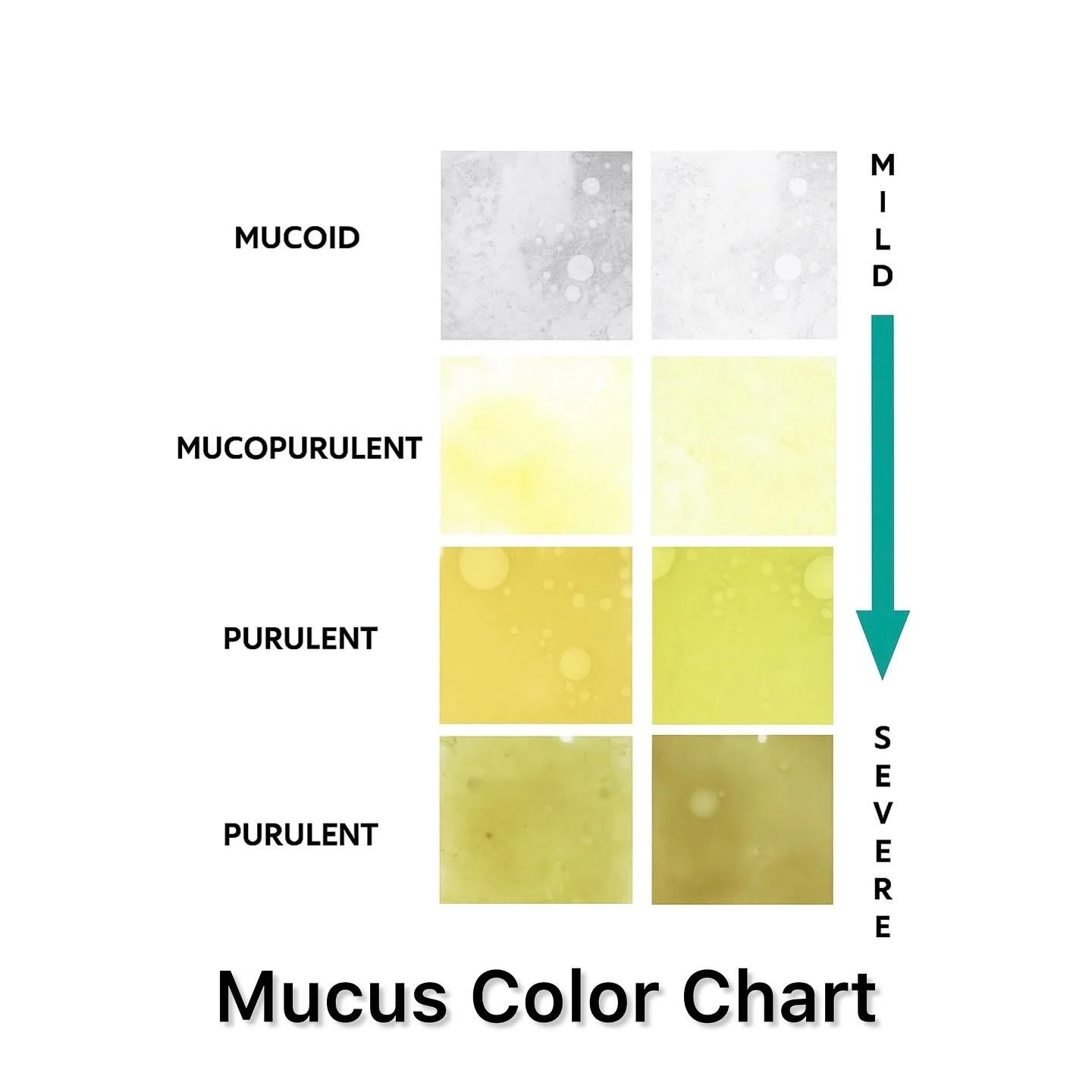
The best time to treat a lung infection is early on. Early treatment can help to prevent the infection from causing more damage to our already scarred bronchiectatic lungs.
When we notice our mucus has become darker or greener, we should notify our doctor. Also, ask to bring in a sputum sample for analysis.
If a physician determines a change in treatment is needed, this is considered a clinical exacerbation.
If you’re experiencing these warning signs, contact your doctor right away. Delaying treatment may make it harder to recover and can lead to worsening lung function.
Other red flags to watch for include:
Fever
Unusually low oxygen levels (check with a pulse oximeter)
Increased reliance on rescue inhalers
Chest pain
When Scents Become Triggers: Emily’s Story
For some people, strong scents such as scented candles, perfumes, air fresheners, and cleaning products can trigger an exacerbation or worsen symptoms. Emily, a third-grade teacher, experienced a severe reaction when a student emptied a can of deodorant in the school bathroom as a prank. Her classroom, located next door, quickly filled with the lingering scent. The exposure led to a week-long exacerbation that kept her out of work. Since then, she’s kept an air purifier running in her classroom to help reduce the risk of future flare-ups.
Key Tools for Managing Infections
The following strategies can help you monitor your condition and act early:
Regular sputum cultures to identify bacteria and track changes over time
Lifestyle precautions to reduce exposure to respiratory infections
Airway clearance routines to keep mucus moving and reduce bacterial buildup
Personalized antibiotic protocols based on your culture history
Antibiotics and Inhaled Medications
Because chronic and recurring lung infections are common in bronchiectasis, many patients require both rescue and maintenance treatments.
These may include:
Oral or IV antibiotics during flare-ups
Inhaled antibiotics (e.g., tobramycin, aztreonam) for chronic bacterial infections
Long-term oral antibiotics for those with frequent exacerbations
Bronchodilators to help open narrowed airways and improve airflow
Inhaled corticosteroids, usually if you also have asthma or COPD
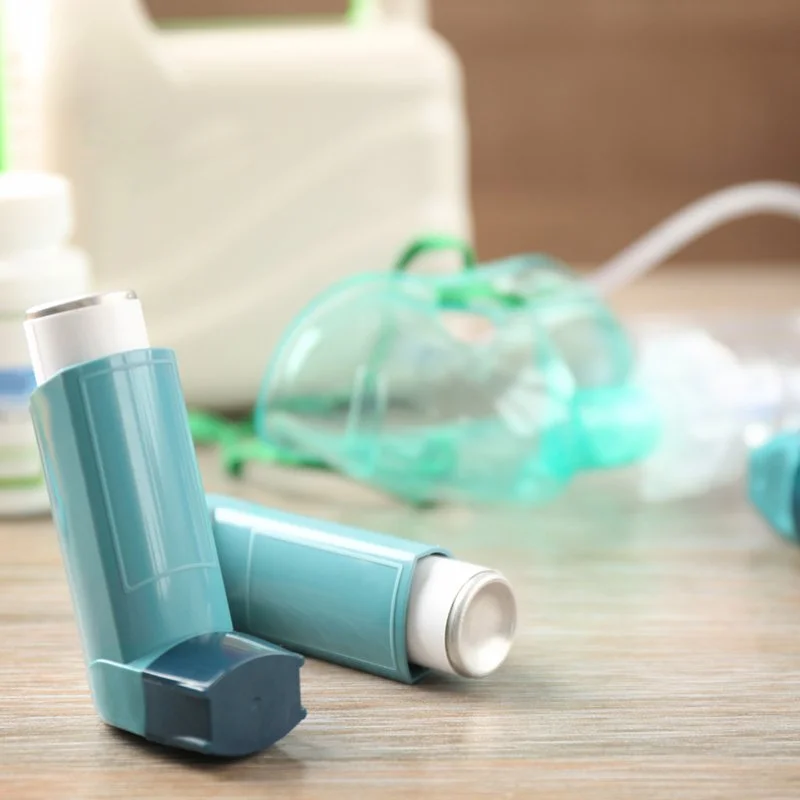
Your treatment plan will likely be guided by sputum culture results, chronic infection status, and pulmonary function tests to ensure it remains targeted and effective. Inhaled medications may be delivered via nebulizer or inhaler, and it’s important to use proper technique to ensure the medication reaches your lungs.
Always review new medications or changes to your routine with your healthcare team. If side effects occur or symptoms worsen, seek guidance right away.
How Are Exacerbations Treated?
Most exacerbations are caused by bacterial infections, which are typically treated with antibiotics. Your doctor may collect a sputum sample to determine which type of bacteria is present and select the most effective medication.
In some cases, a chest X-ray or CT scan may be used to rule out pneumonia or assess the extent of inflammation. Treatment might involve short-term oral antibiotics, or, for more severe infections, intravenous (IV) antibiotics or even hospitalization if symptoms escalate.
Your care team may also adjust your regular medications based on findings from the sputum culture or your overall health status.
Create a Bronchiectasis Action Plan
Having a written bronchiectasis action plan can make a big difference in how confidently and quickly you respond to symptoms.
A good plan includes:
Early warning signs to watch for (e.g., change in sputum color, increased cough)
Instructions on adjusting your airway clearance routine
When and how to start antibiotics if prescribed
When to contact your care team

How to Reduce Your Risk of a Flare-Up
While it may not be possible to prevent all bronchiectasis exacerbations, there are several ways you can reduce how often they occur and potentially lessen their severity when they do.
One of the most effective steps is to stay consistent with your airway clearance routine. If your current method isn’t working well, speak with your pulmonologist or respiratory therapist about adjusting your technique or trying new approaches that may help.
Other strategies to help prevent flare-ups include:
Washing your hands regularly, especially after being in public spaces
Staying up-to-date on vaccinations
Taking all medications exactly as prescribed
Seeking medical attention early if symptoms worsen, even outside of regular office hours
Managing stress
Eating a balanced, nutrient-rich diet
Quitting smoking and avoiding secondhand smoke
Rest plays an important role not only during flare-ups, but also in your day-to-day well-being.
Learn more about how to pace yourself and build rest into your routine in the Living Well section. Even small steps can add up. Practicing these habits consistently supports your immune system, reduces your exposure to triggers, and can make a big difference in your overall health and resilience.
Common Questions
-
Green, yellow, or foul-smelling sputum, especially when accompanied by other symptoms, should prompt a call to your doctor.
-
A flare-up usually involves changes in mucus color or volume, increased coughing, or worsening breathlessness. If symptoms persist for more than 48 hours, it's best to contact your care team.
-
Yes. Many bronchiectasis exacerbations occur without a fever. Changes in mucus, breathlessness, or fatigue may be the first signs. Always track your baseline and talk to your care team if symptoms change, even if your temperature is normal.

Key Points to Remember
Managing flare-ups and infections isn’t just about reacting to symptoms; it’s about being proactive, informed, and prepared. Know your signs, stick with your routine, and build a care team that helps you feel supported and empowered.