
With Bronchiectasis, Should We Avoid Dairy? Does Dairy Cause More Mucus?
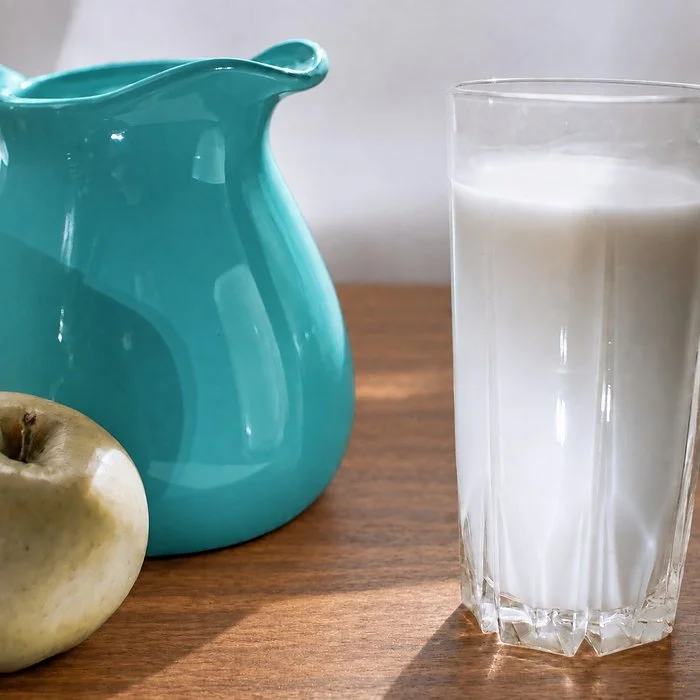
“Stay away from dairy. It creates mucus.” How many times have you heard that advice?
For years, clients have told me that a natural health practitioner advised them to avoid dairy because it causes mucus. Others have read the same claim online. Yet time and again, I have heard medical experts say that this longstanding belief simply isn’t supported by the evidence.
But the idea didn’t come from nowhere. Drink a glass of milk or eat a spoonful of yogurt and you may notice that your mouth and throat feel coated. Your saliva may seem thicker. And if you already have a cough or sputum, it's easy to assume that dairy is producing even more mucus. The sensation is real. But is dairy actually causing your body to produce more respiratory mucus? That’s where it gets interesting.
Why Milk Can Feel Like It Creates Mucus
Milk is an emulsion, which means it is a mixture of fat and water. When milk combines with saliva, small droplets can cluster together through a process called flocculation. This can leave a temporary coating in your mouth and throat. Your saliva may feel thicker, and swallowing may feel a little different. Naturally, we can interpret that sensation as more mucus.
What I find interesting is that this sensation is not necessarily unique to cow’s milk. Some creamy nondairy beverages can create a similar feeling. That suggests that what we are noticing may have more to do with the beverage's texture and how it interacts with our saliva than with our bodies actually producing more mucus.
What Does the Research Tell Us?
One Australian study took an interesting approach. Participants were exposed to rhinovirus, the virus that causes the common cold. Researchers then measured their nasal secretions and recorded how much dairy they consumed. They found no association between dairy consumption and the amount of nasal secretions, congestion, or coughing.
Here’s another interesting part. People who already believed that milk caused mucus reported more respiratory discomfort after consuming it, but they did not actually produce more measurable secretions. A scientific review also concluded that milk does not appear to increase mucus production or worsen asthma in most people.
Not every study has reached exactly the same conclusion. In a small blinded study involving people who already complained of persistent nasal and throat mucus, participants reported feeling better when they avoided dairy. But there is an important distinction. The study looked at how people perceived their secretions. It did not measure whether their lungs were actually producing more mucus.
To the best of my knowledge, there is no research looking specifically at dairy and mucus in people with bronchiectasis. And I never want to take research from the general population or other lung disease communities and automatically assume that the findings apply to all of us living with bronchiectasis. Sometimes they may. Sometimes they may not. We simply need more research.
Milk Allergy, Lactose Intolerance, and Reflux

A few issues can get mixed into this conversation. A true allergy to cow’s milk protein is very different from feeling as though milk has coated your throat. A milk allergy can cause hives, swelling, wheezing, difficulty breathing, vomiting, or, in severe cases, anaphylaxis. That is an immune system reaction and requires medical evaluation.
Lactose intolerance is something else entirely. It usually causes digestive symptoms such as gas, bloating, cramping, or diarrhea. It does not normally cause your lungs to produce additional mucus.
And then there is reflux. Some high-fat dairy foods can aggravate reflux in certain people. Reflux can cause coughing, throat clearing, and throat irritation. If that happens after eating dairy, it would be very easy to conclude that dairy is causing mucus when reflux might actually be contributing to what you are feeling.
What If Dairy Bothers You?
This is where I believe in listening to our bodies. Research tells us what tends to happen within groups of people. It cannot tell you exactly how you will feel after eating a particular food.
If you consistently notice that dairy makes your sputum feel thicker or makes airway clearance more difficult, pay attention to that. Keep track of what you eat and how you feel afterward, but change one thing at a time. Otherwise, how will you know what is actually making the difference?
You could try a smaller serving, choose a lower-fat dairy product, drink some water afterward, or avoid dairy immediately before airway clearance. Keep track of your cough, sputum, reflux, and breathing and see whether a pattern emerges. If you decide to eliminate dairy completely, consider doing so for a defined period and discussing it with your doctor or a registered dietitian. Then you can decide whether it makes sense to reintroduce it and see what happens.
Don’t Forget the Nutrition
This part is especially important to me. When I was dealing with a MAC lung infection, maintaining my weight and improving my nutrition became a priority. I increased my calories and protein and ultimately cleared the infection without antibiotics. Can I say that improving my nutrition is why I cleared MAC? No. But I do believe that giving my body the nutrition it needed was an important part of taking care of myself during that time.

I am a vegan at heart. But after being diagnosed with bronchiectasis and MAC, I reconsidered what worked best for me. Today, my diet includes fish, occasional chicken, and dairy. Greek yogurt is my bestie. I can’t imagine life without it, especially when I travel, and my food choices are sometimes more limited.
That is why I would never want someone to eliminate an entire food group simply because they heard somewhere that it causes mucus without also thinking about what they might be giving up. Dairy can provide protein, calcium, vitamin D, calories, and other valuable nutrients. For those of us who struggle to maintain our weight, lose our appetite during an exacerbation, or worry about bone health, those nutrients can be especially important.
That doesn’t mean you have to eat dairy. Of course you don’t. But if you eliminate it, make sure you replace the nutrients it provided. Not every nondairy milk or yogurt has the same amount of protein, calcium, vitamin D, or calories. Read the labels, and if you are uncertain, a registered dietitian can help.
So, Does Dairy Really Cause More Mucus?
Based on the research we have, dairy does not appear to cause most people to produce more respiratory mucus. It can, however, make your mouth and throat feel more coated and your saliva feel thicker. And for some people, dairy may contribute to other issues, such as reflux, that can lead to coughing or throat clearing.
At the same time, I would never tell someone to ignore what they consistently experience in their own body. Pay attention, look for a repeatable pattern, and make changes thoughtfully rather than eliminating an entire food group because someone told you that dairy causes mucus. As with so many things related to bronchiectasis, what works for one of us may not work for another.
Want to Learn More about Bronchiectasis?
The BE CLEAR® Guide to Bronchiectasis is designed to help you understand and manage your chronic lung condition at your own pace. Whether you’re newly diagnosed or looking to strengthen your daily routine, the guide offers expert-informed content, practical suggestions, and compassionate support every step of the way.
