
Nutrition for Bronchiectasis and NTM: How Food Supports Healing
Nutrition is not just about eating—it's about healing. Michelle MacDonald, previously a clinical nutritionist at National Jewish Health, shared practical, evidence-informed guidance on how food can impact bronchiectasis and nontuberculous mycobacterial (NTM) lung disease in a recent NTM Info & Research webinar.
In this post, we break down her advice into actionable tips to help you use nutrition as a tool to support your immune system, build strength, and manage symptoms.
Eat with Intention: Food is Therapy
When managing chronic lung conditions like bronchiectasis or NTM, food becomes part of your treatment plan. You need calories to:
Strengthen your immune system
Fight infection
Support recovery
Instead of skipping meals or grazing aimlessly, schedule your meals with purpose. Don’t skip breakfast, and aim for two snacks per day.
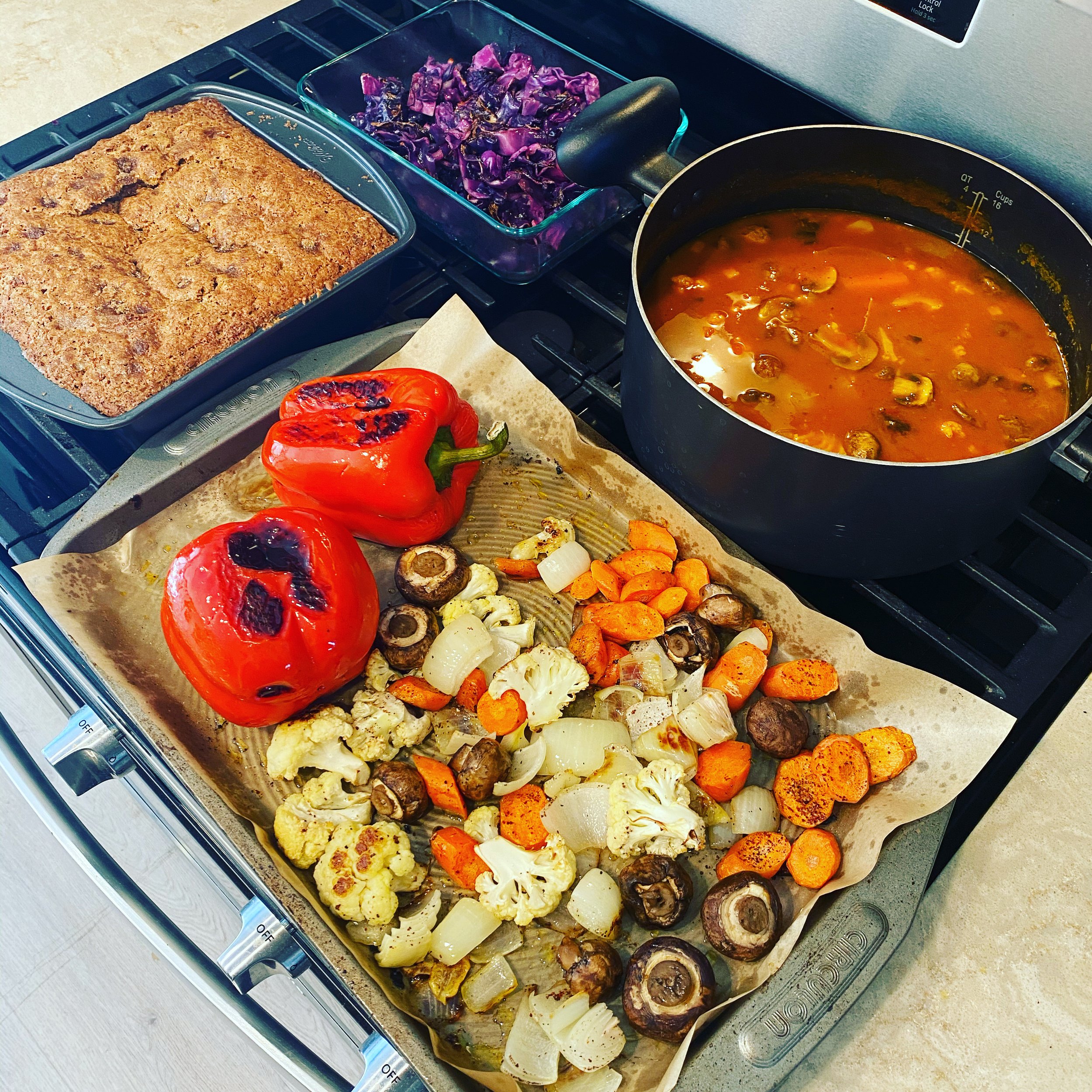
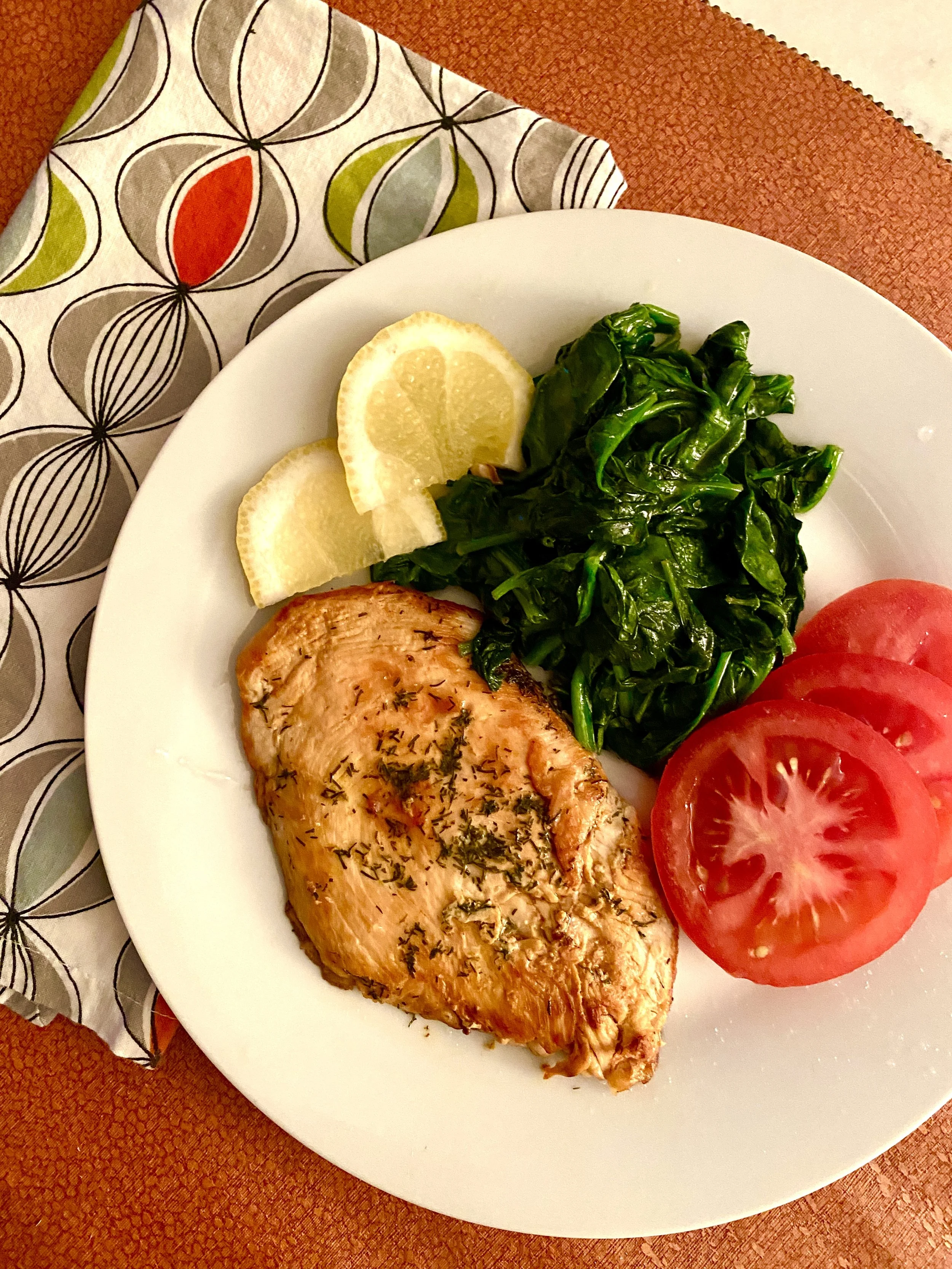
Prioritize High-Calorie, High-Protein, Nutrient-Dense Foods
Malnutrition can weaken your body’s ability to recover. If you’re feeling drained from MAC or another infection, eating well can help you bounce back.
Tips to bulk up your nutrition:
Add 250–500 calories a day to your intake to gain about 1 pound per week
Include healthy fats for concentrated energy (olive oil, nut butters, avocado)
Protein matters! Aim for at least 30g of protein per meal (think: a portion of chicken or fish larger than a deck of cards)
Don’t Fear Weight Gain: BMI and Outcomes
Low body mass index (BMI <18.5) is associated with poorer outcomes in people with bronchiectasis and NTM disease. While there’s no single predictor of disease progression, underweight individuals may struggle more with recovery.
MacDonald emphasizes: now is not the time to diet. Being a little above your “ideal weight” can actually be protective.
Reevaluate Dairy and Digestive Symptoms
There’s a myth that dairy increases mucus production, but research doesn’t support it across the board. Instead:
Monitor how dairy affects your congestion
If you feel worse symptoms after dairy, reduce or eliminate it from your diet
Vitamin D and Micronutrient Support
If you're low in vitamin D, you may be more vulnerable to infection. A level of 30–50 ng/mL is considered optimal at National Jewish Health. Also:
Take a multivitamin without iron, especially post-menopause
Choose third-party certified brands
Avoid megadoses—more is not always better
Address Appetite Loss and Calorie Needs During Infection
Infection and fever increase your metabolic needs while decreasing your appetite. If food feels unappealing:
Try small, frequent meals
Add calorie-dense extras to meals (e.g., olive oil, full-fat yogurt, smoothies)Consider food supplements if you're vegetarian or vegan
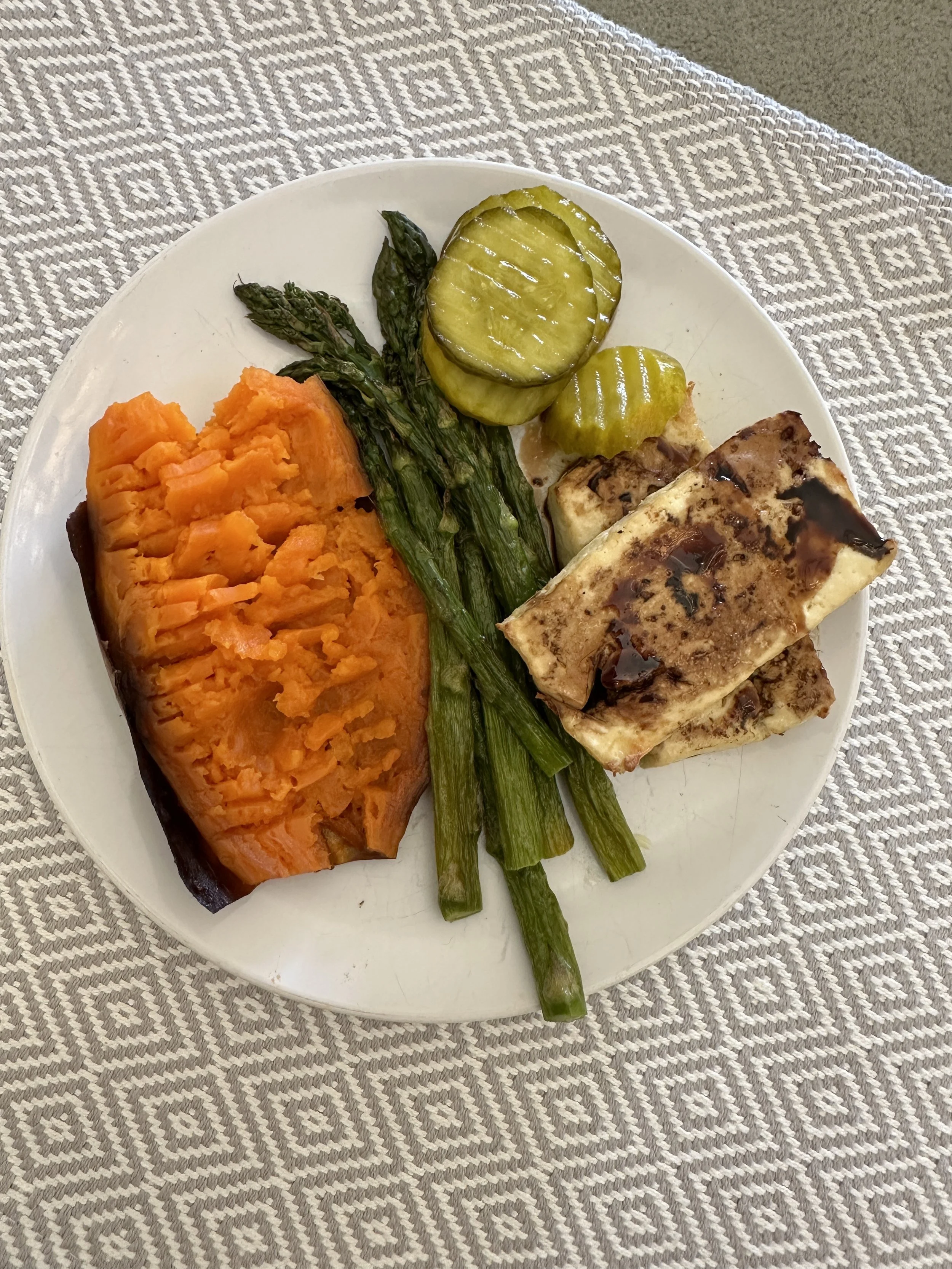
Protein Is a Power Tool for Healing
Protein supports muscle repair and immune function—both critical during active infection. MacDonald recommends:
30 grams of protein per meal
Include meat, poultry, fish, eggs, tofu, or legumes
Use protein shakes or bars if appetite is low
Yes, You Can Have Dessert (Within Reason)
Sweet treats are okay—but they shouldn’t replace more nutritious foods. Use desserts as an addition, not a substitution.
Manage Reflux to Protect Your Lungs
Reflux is linked to worsening symptoms in NTM and bronchiectasis. To manage it:Sleep on your left side
Elevate the head of your bed 30–40 degrees
Avoid eating within 3 hours of bedtime
Eat small, frequent meals
Identify and reduce your trigger foods

Empower Yourself Through Nutrition
You are in charge of your nutrition—and that gives you power in your healing journey. Michelle MacDonald’s core message is clear: food can help you fight, restore, and strengthen.
Frequently Asked Questions (FAQ)
Q: Do I need to avoid all sugar with NTM or bronchiectasis?
A: No. Desserts are okay in moderation, but focus on nutrient-dense meals as your foundation.
Q: Should I stop eating dairy?
A: Not necessarily. Only avoid dairy if it worsens symptoms individually.
Q: How do I know if I’m getting enough protein?
A: A good rule of thumb is to include a protein source at every meal and aim for around 30 grams per meal. A dietitian can help you fine-tune this.
Q: What if I’m losing weight unintentionally?
A: Talk to a registered dietitian or your medical team. You may need to increase your calorie intake with healthy fats, snacks, and supplements.
