
Why So Much Bronchiectasis Research Is Coming From East Asia
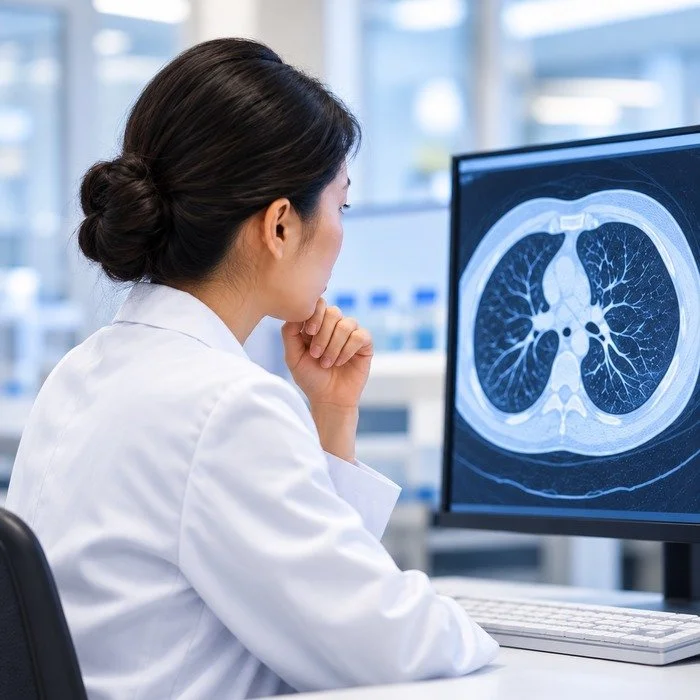
Lately, every time I read a bronchiectasis study or listen to a conference recap, I notice the same thing: much of the research that catches my attention comes from China, South Korea, and Japan.
Was this simply my impression? I looked more closely. It was not my imagination. Important work is coming from East Asia, especially China, with each country contributing something different.
For someone living with bronchiectasis, this matters. Studying different populations, infections, and treatments moves us closer to care based on the individual rather than a one-size-fits-all approach.
China’s Rapid Growth in Bronchiectasis Research
A recent analysis examined 6,331 bronchiectasis studies published between 2005 and 2024. The United States led in publications and citations, but China ranked second. And China is moving quickly. In 2023, researchers there published 114 articles on bronchiectasis, more than any other country.
One reason is the Chinese Bronchiectasis Registry and Research Collaboration, known as BE-China. It includes patients from 111 hospitals. That number stopped me. Think of what researchers can learn when 111 hospitals collect information consistently.
Researchers can now examine questions one hospital could not answer alone. Why does bronchiectasis progress in some people but remain stable in others? How do infection, inflammation, the microbiome and genetics interact?
Chinese researchers are studying Pseudomonas, airway clearance, inhaled antibiotics, DPP-1 inhibitors and even regenerative cell therapy. Not every study will change what we do tomorrow morning, but each helps fill in another piece of the puzzle.
South Korea’s National Research Collaboration
South Korea has built an organized research network called the Korean Multicentre Bronchiectasis Audit and Research Collaboration, or KMBARC. It studies the characteristics, natural course, and prognosis of bronchiectasis there.
The registry began with more than 26 specialist hospitals and was designed to follow at least 1,200 people. Researchers have examined post-tuberculosis bronchiectasis, Pseudomonas, asthma, COPD, quality of life, and exacerbations.
Investigators have even used KMBARC data to develop an artificial intelligence model intended to predict severe exacerbations. It needs testing in other populations, but it gives us a glimpse of what good information may make possible.
Professor James Chalmers has helped connect this work with the international bronchiectasis community. KMBARC investigators acknowledged him for providing the EMBARC platform and advising them as they developed the registry. He also coauthored the major BE-China publication.
Asia’s Role in the AIRTIVITY Trial
Asia’s growing role is not limited to registries. Boehringer Ingelheim’s ongoing Phase III AIRTIVITY trial of verducatib, another DPP-1 inhibitor, includes numerous sites in China, Japan, and South Korea, along with sites elsewhere in Asia.
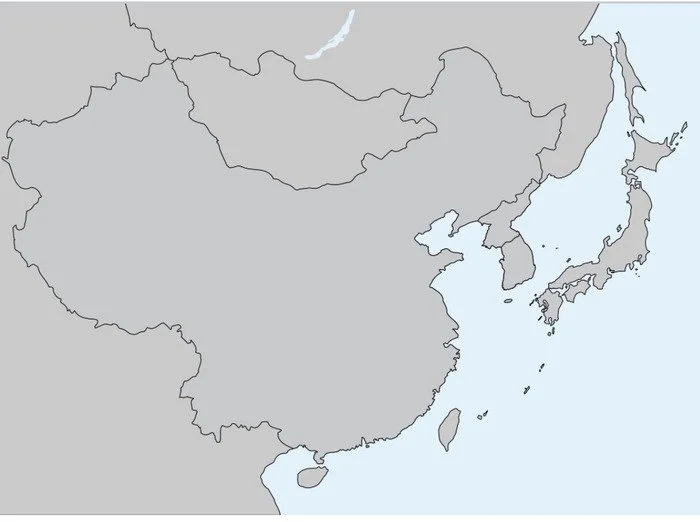
Researchers plan to enroll approximately 1,755 adults and adolescents and determine whether verducatib can reduce bronchiectasis exacerbations. The trial is still underway, so we do not have Phase III results. But once again, investigators and participants throughout Asia are helping answer questions that may influence care around the world.
Japan, Bronchiectasis and NTM
Japan brings another important perspective to bronchiectasis research because investigators there have extensive experience studying bronchiectasis alongside nontuberculous mycobacterial lung disease.
Japan has one of the highest reported burdens of NTM pulmonary disease in the world. Older adults and women are especially affected, although NTM can occur in anyone.
In one Japanese study of 1,044 people with bronchiectasis, 410, or 39.3 percent, had an NTM infection. That number stopped me. But it does not mean almost 40 percent of everyone with bronchiectasis will develop NTM. This was a single-center study, and its findings do not apply to everyone. It does show why Japanese investigators have so much to contribute.
Japanese research may help us understand which comes first. Do damaged and widened airways make it easier for NTM to take hold? Can an NTM infection contribute to further airway damage? In some people, the relationship may move in both directions.
This has practical implications. Long-term macrolides may reduce exacerbations in selected patients, but clinicians generally want to rule out NTM before beginning macrolide monotherapy.
Japan’s Approval of BRINSUPRI
Japan’s role is not limited to NTM. On August 24, 2026, its Ministry of Health, Labor and Welfare approved BRINSUPRI, also known as brensocatib, for patients with non-cystic fibrosis bronchiectasis.
Brensocatib is a DPP-1 inhibitor that targets neutrophilic inflammation, one of the pathways believed to contribute to repeated exacerbations and continued airway damage. It does not replace airway clearance, antibiotics when they are needed or treatment of an underlying cause. It is another tool aimed at reducing excessive inflammation.

Japanese investigators also analyzed participants from Japan in the international ASPEN trial, adding country-specific information about the medication’s efficacy and safety.
Why Geographic Differences Matter
Why can’t we simply lump all bronchiectasis research together? Because bronchiectasis does not look exactly the same everywhere.
Rates of tuberculosis, NTM, and other underlying causes differ among countries. So does access to testing and treatment. If most evidence came from one region, we could miss important differences. Treatments may not produce the same results in every population.
Large registries in China and South Korea, along with Japan’s extensive NTM experience, can help uncover both common patterns and important differences. This is how precision medicine begins. We learn who may benefit from a treatment, who may be at greater risk and which questions clinicians should be asking.
Research Without Borders
I find all of this encouraging. For many years, bronchiectasis was called an orphan disease and received far too little attention. Now researchers are sharing registry designs, comparing populations and collaborating on trials across countries and continents.
We still need better diagnostic tools, more effective treatments for difficult infections and a clearer understanding of why some people remain stable while others experience repeated exacerbations or declining lung function.
When I see good research coming from China, South Korea and Japan, I do not think of it as something happening far away. The results may eventually influence the questions our doctors ask, the tests they order, and the treatments available to us.
Good bronchiectasis research anywhere has the potential to help someone living with the disease everywhere.
Want to Learn More about Bronchiectasis?
The BE CLEAR® Guide to Bronchiectasis is designed to help you understand and manage your chronic lung condition at your own pace. Whether you’re newly diagnosed or looking to strengthen your daily routine, the guide offers expert-informed content, practical suggestions, and compassionate support every step of the way.
