
Why Perfumes and Scented Candles Can Trigger Coughing in Bronchiectasis and Asthma
Navigating holiday gatherings can be joyful, heartwarming, and at times a bit challenging if you are sensitive to fragrance. Most people never think twice about perfume or scented candles.

People living with asthma, bronchiectasis, or other chronic lung conditions often have hypersensitive airways, and strong scents can turn a celebration into an uncomfortable experience. Fragrance exposure may trigger coughing, throat irritation, chest tightness, wheezing, or worsening respiratory symptoms. With a bit of preparation and open communication, you can enjoy the season while protecting your breathing and staying well.
Why does this happen? While fragrances do not affect everyone the same way, volatile organic compounds (VOCs), fragrance chemicals, and other airborne irritants can stimulate sensitive airways. In people with bronchiectasis, asthma, COPD, or chronic cough, this irritation may trigger coughing, throat irritation, wheezing, chest tightness, or shortness of breath. Remember that “natural” fragrances, including essential oil diffusers, incense, and scented wax melts, can also irritate sensitive airways. Everyone is different, so it is important to pay attention to your own triggers.
How to Communicate With Your Host
If you are sensitive to scent, you can gently let your host know before the gathering. Share that you are hypersensitive to scented candles and perfume and that these products can make you feel unwell. Most hosts appreciate clear communication and want their guests to be comfortable.
Your host can then mention the scent sensitivity to invited guests or simply avoid using strongly fragranced items during the gathering. This is not being overly demanding. It is a small request that protects your health.
What to Do If You Arrive and Scents Are Already Present
If you walk in and notice a scented candle burning, it is appropriate to ask if it can be removed. A considerate host would far rather put out a candle than watch a guest feel miserable during dinner. A simple and warm request is all that is needed.
Is Bringing Your Own Air Purifier Appropriate
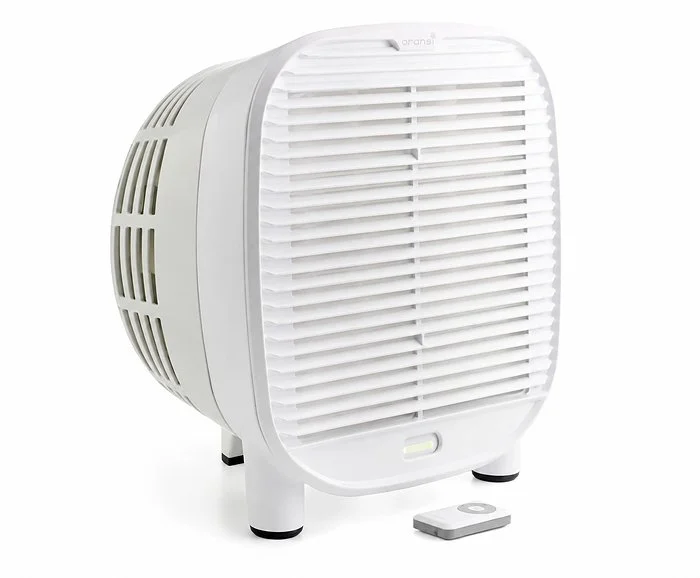
For some people, a portable air purifier is not optional. It is a tool that prevents symptoms and helps them breathe comfortably. If this describes your situation, bringing an air purifier is entirely acceptable.
The key is to let your host know in advance. A brief explanation, such as "I have a lung condition, and using a small air purifier helps me stay well," is usually enough. Hosts often appreciate the clarity.
You Are Not a Killjoy for Protecting Your Health
People sometimes worry that asking for fragrance-free accommodations makes them appear difficult. The truth is that you are advocating for your well-being. You are not taking anything away from the occasion. You are ensuring that you can participate fully and comfortably.
A Holiday Should Be Enjoyed, Not Endured
The holidays are meant to bring connection, comfort, and shared joy. If avoiding fragrances or bringing your own air purifier helps you remain comfortable and well, you are doing the right thing—your health matters. Communicating openly makes it easier for your host to support you.
Protecting your breathing is never rude. It is responsible and thoughtful. When you take care of yourself, you can enjoy the holiday with more energy, more calm, and more presence.
