
Understanding the Link Between Reflux and Bronchiectasis
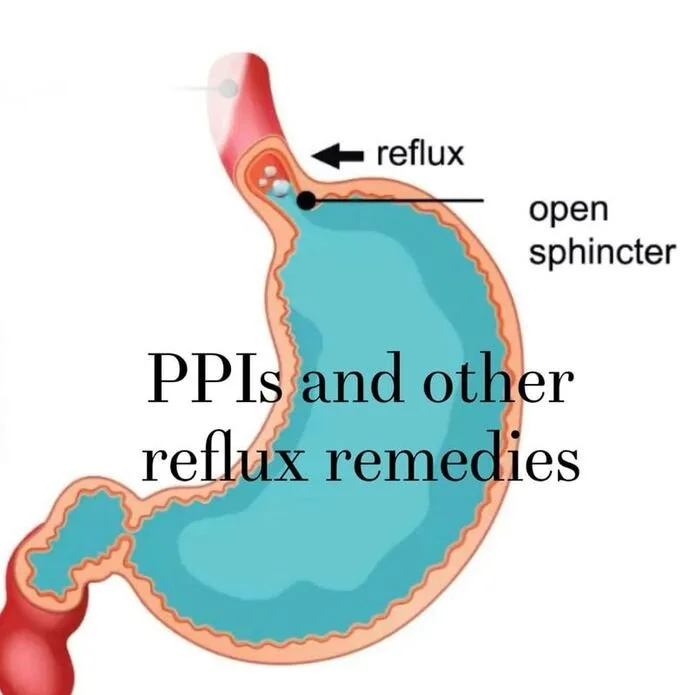
Did you know there’s an association between bronchiectasis and gastric reflux, as well as between NTM pulmonary disease and reflux?
Now, more than ever, leading U.S. bronchiectasis care centers are focusing on the role of gastric reflux. If your care team hasn’t evaluated you for reflux, it’s worth discussing.
Why Reflux Matters
Managing reflux can be crucial to preventing disease progression. Airway clearance alone might not be enough to stop inflammation and infection.
Some individuals manage acid reflux with antacids, alginates, or medications like Pepcid. Others may need proton pump inhibitors (PPIs) such as Nexium or Prilosec to prevent precancerous conditions like erosive esophagitis or Barrett’s esophagus.
However, the goal is often to minimize PPI use because stomach acid is needed to break down food and kill bacteria. Long-term use of these medications can cause nutrient malabsorption and bone loss. And, according to gastroenterologist Dr. Jeffrey King, lowering acid does not decrease reflux. Surprisingly, it can increase non-acid reflux.
Silent Reflux and LPR
While PPIs reduce acid production, they do not stop reflux. There is a condition called silent reflux, also known as laryngopharyngeal reflux (LPR). This involves the reflux of solids, liquids, and gases that can be both non-acidic and acidic.
Substances such as water, milk, or bile, which are alkaline, can also reflux into the throat and voice, causing symptoms such as a sore throat, drippy nose, and hoarseness. Even though these substances are not acidic, they can still reach the lungs and potentially cause tissue damage, chronic inflammation, and disrupt the lung microbiome.
Steps You Can Take
If you have reflux, it’s important to take it seriously. Lifestyle changes can make a big difference:
Avoid eating several hours before lying down, exercising, and airway clearance
Elevate the head of your bed
Avoid trigger foods such as fatty foods, alcohol, caffeinated and carbonated drinks, and chocolate
Manage stress and anxiety
These habits can help reduce reflux episodes and improve overall well-being.
Always consult your physician before making any changes to your treatment plan. Together, you can find the best approach to manage reflux and support your lung health.
Want to Learn More about Bronchiectasis?
The BE CLEAR® Guide to Bronchiectasis is designed to help you understand and manage your chronic lung condition at your own pace. Whether you’re newly diagnosed or looking to strengthen your daily routine, the guide offers expert-informed content, practical suggestions, and compassionate support every step of the way.
