
Bronchiectasis Symptoms, Causes, and Diagnosis
Why Recognizing Bronchiectasis Symptoms Early Matters
The earlier bronchiectasis is diagnosed, the better the chances of slowing disease progression. Treatment strategies such as daily airway clearance, infection control, exercise, and medications are most effective when started early. Left untreated, bronchiectasis can lead to more lung damage and significant declines in quality of life. Whether you’ve just been diagnosed with bronchiectasis, or you’re trying to understand persistent symptoms such as a chronic cough, frequent chest infections, or unexplained fatigue, this page is for you.
I’ll walk you through the most common warning signs, explore causes and risk factors, and explain how bronchiectasis is diagnosed. Early recognition is key to slowing disease progression and protecting our lung health.
Bronchiectasis Symptoms, Causes, & Diagnosis: Index
Common Symptoms | Hemoptysis | Causes & Risk Factors | Reflux & Inflammation
Common Symptoms of Bronchiectasis

Be Prepared for Hemoptysis

Coughing up blood, known as hemoptysis can be frightening, especially the first time it happens.
While it’s always important to inform your care team, not all cases are emergencies. In fact, small amounts of blood-tinged mucus can occur from irritated or inflamed airways and may be relatively common in people with bronchiectasis, especially during or after an infection.
On the other hand, larger amounts of blood that continue or worsen, require immediate medical attention.
Being prepared and knowing what to watch for can help you feel more in control during a stressful episode.
Ask your doctor ahead of time:
If I start coughing up blood, should I call your office right away? In what situations should I go directly to the emergency department instead?
Are there any medications I should avoid if I experience bleeding?
Should I temporarily stop my airway clearance routine and, if so, for how long?
Causes and Risk Factors for Bronchiectasis
Bronchiectasis can begin in childhood or develop later in adulthood. It may affect a single area of the lung (focal bronchiectasis) or involve multiple lobes (diffuse bronchiectasis). These patterns can offer valuable diagnostic clues.
Why Identifying the Cause Matters
Bronchiectasis is a heterogeneous condition, meaning it doesn’t have a single cause or pattern. It can develop from many different underlying issues, such as severe childhood infections, immune system deficiencies, autoimmune diseases, or genetic conditions like cystic fibrosis or primary ciliary dyskinesia. In some people, multiple factors are involved.
Identifying the underlying cause of bronchiectasis is crucial because it can help shape treatment strategies and guide ongoing care. In some cases, finding a treatable cause can significantly improve outcomes and may even slow disease progression.
Knowing the cause can help:
Personalize treatment, including the use of immunotherapy or targeted antibiotics
Tailor airway clearance techniques based on which lobes are involved, severity, and mucus type
Manage overlapping or contributing health conditions, such as asthma, COPD, GERD, or autoimmune disease
Inform family planning when genetic factors are involved, such as cystic fibrosis or alpha-1 antitrypsin deficiency
When no cause is found, it is referred to as idiopathic bronchiectasis, which occurs in approximately 40% of cases; there is still much that can be done. While a precise cause can help tailor treatment, idiopathic cases are still manageable with a focus on symptom control, infection prevention, and lung function preservation.
Common Causes and Risk Factors for Bronchiectasis
Post-Infectious Causes:
Bacterial, viral, and fungal infections
Childhood respiratory infections
Autoimmune and Connective Tissue Diseases:
Immune System Deficiencies:
Low IgG, IgA
How Acid and Non-Acid Reflux Can Cause Inflammation in Our Lungs
During consultations with new clients, many are surprised when I ask whether they’ve been tested for reflux. It’s not a question people typically associate with lung health, but it’s an important one.
I explain that sometimes stomach contents can travel up the esophagus and enter the lungs. This is known as aspiration, and it can lead to inflammation or even infection. When refluxate reaches the delicate lung tissues, it can cause irritation and contribute to the ongoing cycle of airway damage in bronchiectasis. But here’s something even more surprising:
Reflux doesn’t have to be acidic to harm the lungs.
Non-acid reflux, which often goes undetected by some tests, can still carry stomach contents, including enzymes and bacteria that irritate and inflame lung tissue. In some cases, bacteria from the stomach can “seed” the lungs and trigger an infection.
All of this means that reflux, whether acidic or non-acidic, can play a significant role in the progression of bronchiectasis, and it often goes unrecognized.

How Bronchiectasis Is Diagnosed
Bronchiectasis can often be mistaken for other respiratory conditions such as asthma, COPD, or chronic bronchitis, making accurate diagnosis essential. A thorough diagnostic process not only helps confirm bronchiectasis but also guides appropriate treatment. Early and precise diagnosis can lead to better symptom control, fewer exacerbations, and improved long-term lung function.
Key Diagnostic Tools
Medical history & symptom review
A detailed discussion of your cough, mucus production, infections, and other respiratory symptoms helps your provider recognize patterns consistent with bronchiectasis.
Physical examination
Listening to your lungs for abnormal breath sounds and evaluating signs of chronic infection or inflammation.
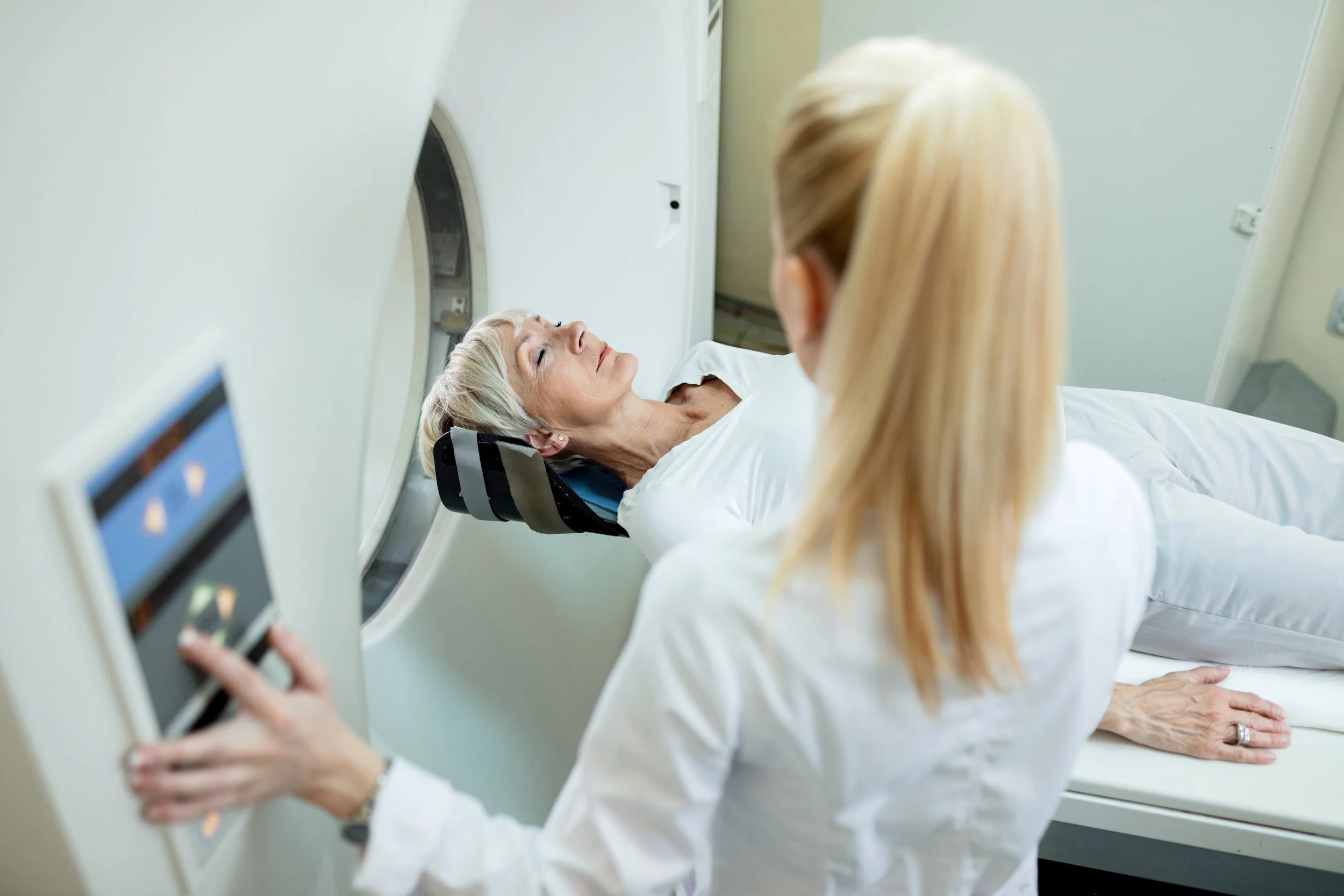
High-resolution CT (HRCT) scan
Considered the gold standard, an HRCT provides detailed images of the lungs and reveals structural changes such as airway widening, thickened walls, or mucus plugging.
Additional Testing
Pulmonary function tests (PFTs)
These breathing tests assess how well your lungs are working. They help establish a baseline and monitor disease progression.
Sputum analysis
A sample of mucus is tested to detect the presence of regular respiratory bacteria, fungi, or nontuberculous mycobacteria (NTM) that may be causing infection or chronic inflammation.

My Bronchiectasis Diagnosis Story
After returning from a European trip with a cold, I developed a cough that just wouldn’t go away. I wasn’t producing any mucus and my primary care doctor initially suspected acid reflux.
For many months, I tried everything: diet changes, medications, and lifestyle adjustments, but nothing provided relief. At my follow-up appointment, she ordered a chest CT scan. That’s when I received the diagnosis: bronchiectasis.
Questions to Ask Your Doctor Once Your Diagnosis Is Confirmed:
-
Ask which parts of your lungs are affected, how severe your condition is, and whether there are any clues about what might have caused your bronchiectasis.
-
Ask which type of airway clearance your doctor finds most effective and whether you can meet with a respiratory therapist to learn proper technique.
-
Ask how often you’ll need sputum cultures, CT scans, or pulmonary-function tests to help track your progress over time.
-
Ask how your doctor defines a flare-up, what symptoms to watch for, and whether you should call the office and bring in a sputum sample when it happens.
-
Ask who to contact if your symptoms get worse, whether there’s a nurse line or patient portal, and how quickly you can expect a response.
-
Ask whether you should schedule those appointments yourself or if your doctor’s office will arrange them for you.
Key Points to Remember

Whether or not a cause is found, bronchiectasis is manageable with the right tools, team, and strategies. Recognizing early symptoms and getting a proper diagnosis form the foundation for sustained lung health.
You’re not alone, and you don’t have to figure it all out at once. There’s clarity, community, and care waiting for you every step of the way.