
Strength Training With Bronchiectasis & MAC: Why Building Muscle Matters
As a personal trainer, I have always enjoyed lifting weights. Now, with bronchiectasis and a history of MAC, I have an extra reason to stay strong.
I am at the gym most days and often write social media posts or work with clients in between 30-minute workout sessions. Some days I complete one session, other days two, and occasionally I add a shorter half-session depending on how my body feels.
Fueling Before and After Workouts
Before heading to the gym, I always eat. That might include peanut butter on toast, Greek yogurt, eggs, a banana, or berries, along with my must-have coffee. After my workout, I eat again, making sure to include both protein and carbohydrates.
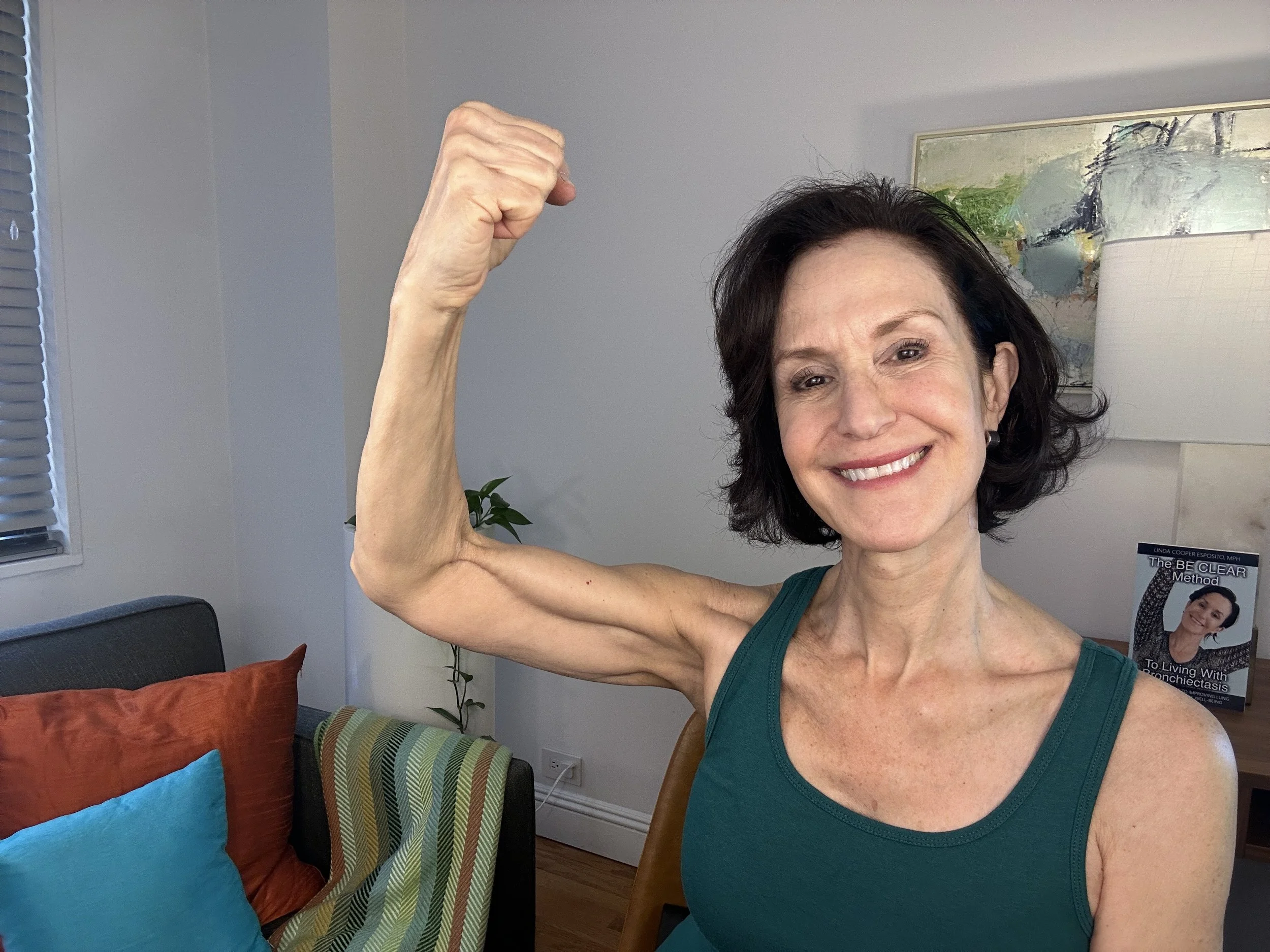
This consistent fueling is the only way I have enough energy to train and the ability to build and maintain muscle. Without adequate nutrition, strength gains are limited, especially for those of us managing chronic lung conditions.
Training With Breathing in Mind
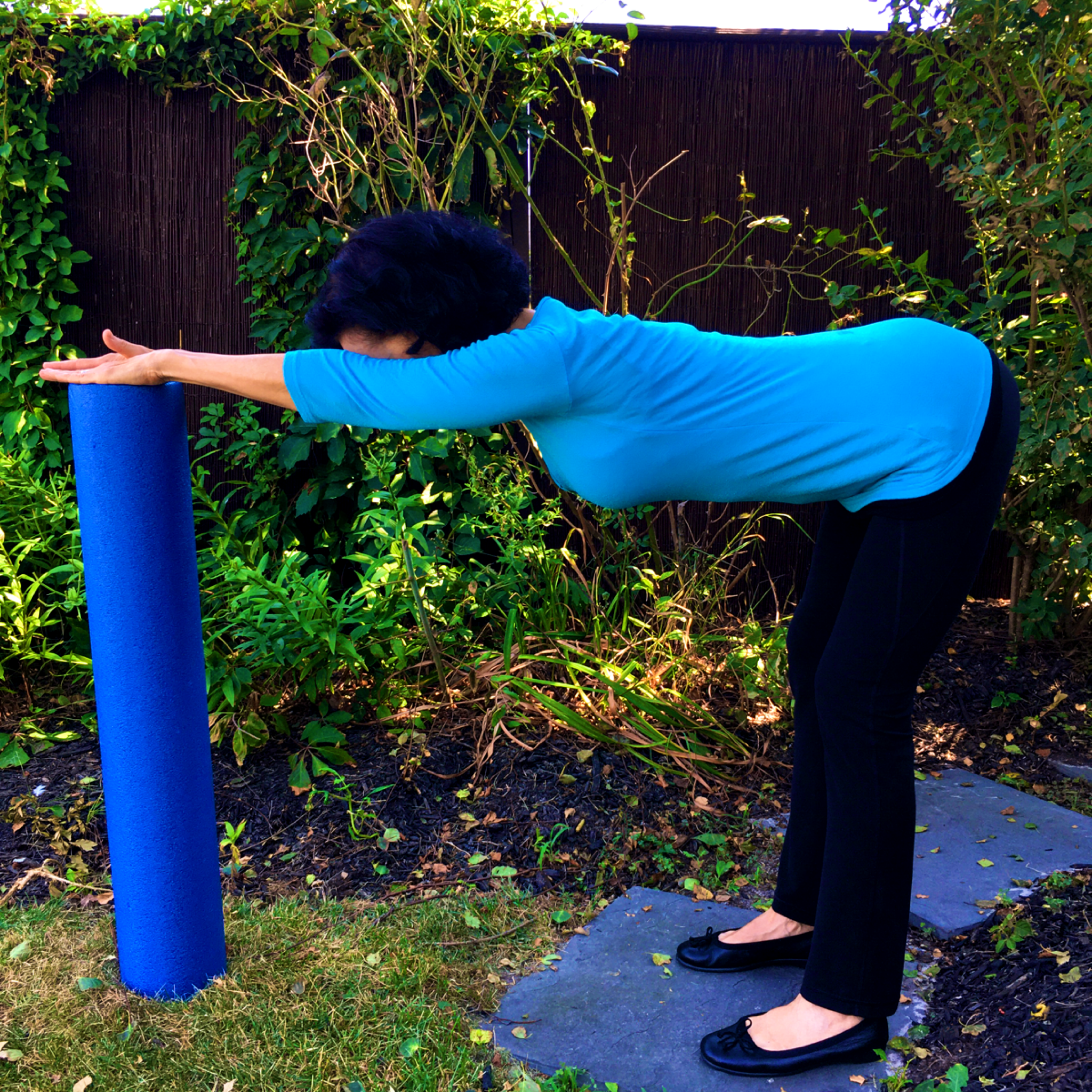
Lately, I have been separating my upper- and lower-body workouts, but there is no single right approach. What matters most is paying attention to balance. I focus on strengthening my chest and neck muscles to support airway clearance, while also stretching them to prevent tightness and neck pain.
As I discuss in my book, The BE CLEAR Method to Living with Bronchiectasis, it is equally important to strengthen and stretch the back muscles. People with bronchiectasis often round forward during coughing and while using airway clearance devices. Addressing both the front and back of the body helps counteract this pattern.
A Functional, Whole-Body Approach
This front-and-back approach supports posture, breathing, overall strength, and endurance. It also builds confidence. Strong muscles help make daily activities easier and breathing more efficient.
Start slowly. The exercises in my book are well-suited for beginners and also helpful for more experienced exercisers who want to identify imbalances and build full-body strength.
Preventing Sarcopenia: Why Muscle Matters
People living with bronchiectasis and other chronic lung conditions are at increased risk of sarcopenia, the gradual loss of muscle mass and strength that can occur with aging, inactivity, inflammation, or inadequate nutrition. Losing muscle doesn’t just make everyday activities more difficult. It can also reduce endurance, make airway clearance more challenging, increase the risk of falls, and slow recovery from illness or exacerbations. The good news is that sarcopenia is not an inevitable part of aging. Regular strength training, adequate protein and calorie intake, and staying physically active are among the most effective ways to preserve muscle, maintain independence, and support long-term lung health.
Strength training is one of the most effective ways to preserve independence, improve quality of life, and support healthy aging while living with bronchiectasis.
A Few Important Reminders
Always nourish your body before and after exercise. Without proper fueling, it is difficult to achieve meaningful results. If you have GERD, you may need to wait a bit after eating before exercising. As discussed in a previous post, including a carbohydrate can help absorb stomach fluid and reduce reflux.
Before starting, stopping, or changing any exercise program, be sure to get medical clearance from your physician.
