
Traveling with Bronchiectasis: What to Pack
Planning for a trip? Here’s how to pack smartly for your self-care needs, especially those related to airway clearance.
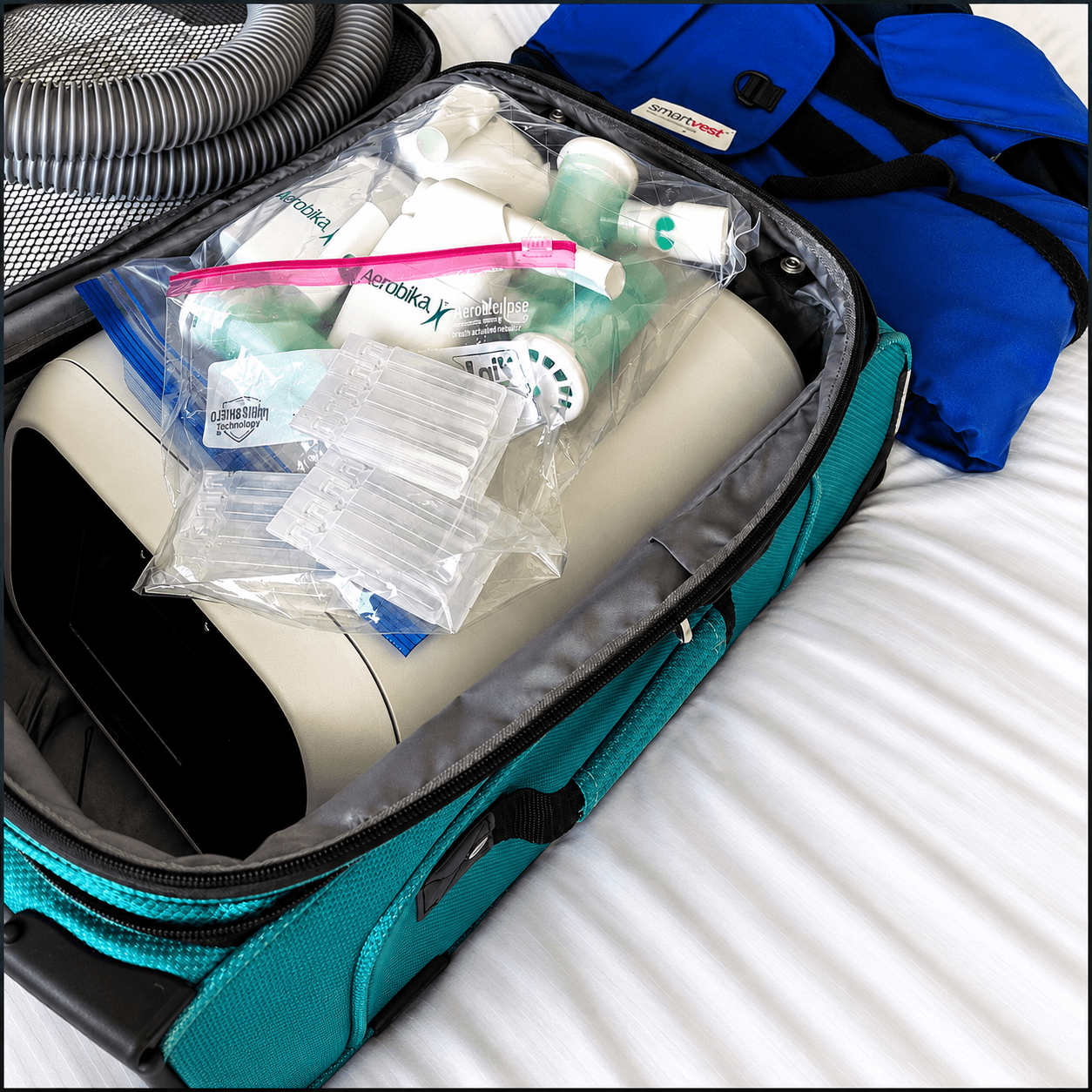
Traveling with bronchiectasis takes a little more planning than the average trip, but being organized can make your journey far less stressful. Over the years, I’ve learned that the less I have to think about my healthcare while traveling, the more I can focus on enjoying the trip.
Know Your Limits
Be realistic about what you can comfortably manage.
Think about how many bags you can safely lift and maneuver.
If you’re traveling alone, packing light is especially important.
Whenever possible, use luggage with spinner wheels to make moving through airports easier.
Don’t be afraid to ask for assistance if you need it.
Pack a Dedicated Medical Carry-On
Never check essential medical equipment.
I always keep my respiratory equipment, medications, and anything I cannot easily replace in a separate carry-on. If checked luggage is delayed or lost, you’ll still have everything you need.
Many airlines allow an additional medical bag that does not count toward your carry-on allowance. Policies vary, so check with your airline before you travel. It can also be helpful to carry a note from your physician explaining your medical equipment and supplies.
To Vest or Not to Vest?
This decision depends on your individual situation.
Some people depend heavily on their airway clearance vest and should plan to bring it on every trip. Others, particularly for shorter vacations, may be able to safely travel without it.
Discuss your travel plans with your medical team well before your trip. They can help you decide whether it’s appropriate to leave your vest at home or suggest alternative airway clearance strategies while you’re away.
If you do travel with your vest, many manufacturers recommend carrying it onboard rather than checking it with your luggage to reduce the risk of damage or loss.
My Bronchiectasis Travel Essentials
Here are the items I typically pack:
Two or three sets of nebulizer cups and Aerobika® devices
More than 60 vials of hypertonic saline for a month-long trip
Pari Trek S travel-sized nebulizer compressor
Extra nebulizer compressor tubing
Rescue antibiotic (if prescribed by your physician)
Massage gun for chest muscle comfort and postural drainage assistance
Exercise stretch band for maintaining strength and mobility while traveling
Having duplicate equipment means I don’t have to rush to clean and dry everything between treatments.
Sterilization on the Go
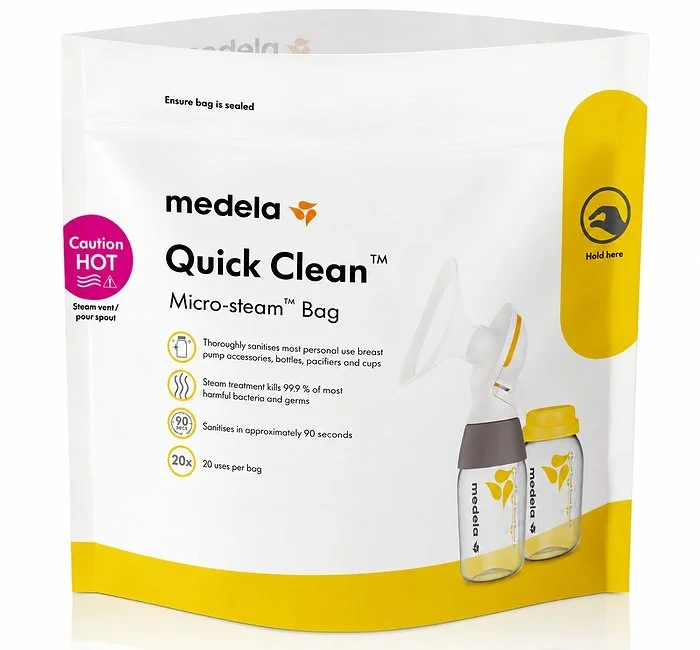
Keeping equipment clean while traveling doesn’t have to be complicated.
I pack:
Medela microwave steam sterilization bags
A small bottle of isopropyl alcohol for disinfecting surfaces
Resealable plastic bags that can be used for soaking or disinfecting equipment, a practical tip shared by Marjorie Cullinan, Yale respiratory therapist
Bonus Tip
Consider bringing a compact dual-voltage travel kettle, such as the foldable Drizzle Pot. It makes boiling water for equipment sterilization much easier when you’re staying in hotels or vacation rentals.
My Best Travel Tip of All: Board Early
This has been one of the biggest game changers for me.
The first time I requested early boarding, I felt a little self-conscious. Now I wouldn’t travel without it.
Early boarding gives you time to carefully stow your luggage, organize your medical equipment, and settle into your seat without feeling rushed or worrying about holding up the line behind you. Starting your trip calmly, rather than frantically, makes the entire travel day much more enjoyable.
This packing list is simply a guide based on what works for me. Your travel needs may vary widely depending on your health, destination, and trip length.
Before traveling, review your plans with your healthcare team to create a packing strategy that’s right for you.
Watch the BE CLEAR with Bronchiectasis YouTube video.
Safe travels!
Want to Learn More about Bronchiectasis?
The BE CLEAR® Guide to Bronchiectasis is designed to help you understand and manage your chronic lung condition at your own pace. Whether you’re newly diagnosed or looking to strengthen your daily routine, the guide offers expert-informed content, practical suggestions, and compassionate support every step of the way.
