
Could Drinking Water, Reflux, and Aspiration Increase the Risk of MAC Lung Disease?
Have you ever wondered whether the water you drink could affect your lung health?
For most people, the answer is probably not. But if you live with bronchiectasis or nontuberculous mycobacterial (NTM) lung disease, the combination of environmental bacteria, swallowing difficulties, and reflux may make drinking water more important than you realize.
Mycobacterium avium complex (MAC) is a group of bacteria commonly found in water and soil. Exposure does not automatically lead to infection, but in susceptible people, MAC may be inhaled in aerosols or reach the lungs through aspiration.
When I travel, I usually do one of two things:
Bring sealed bottled spring water.
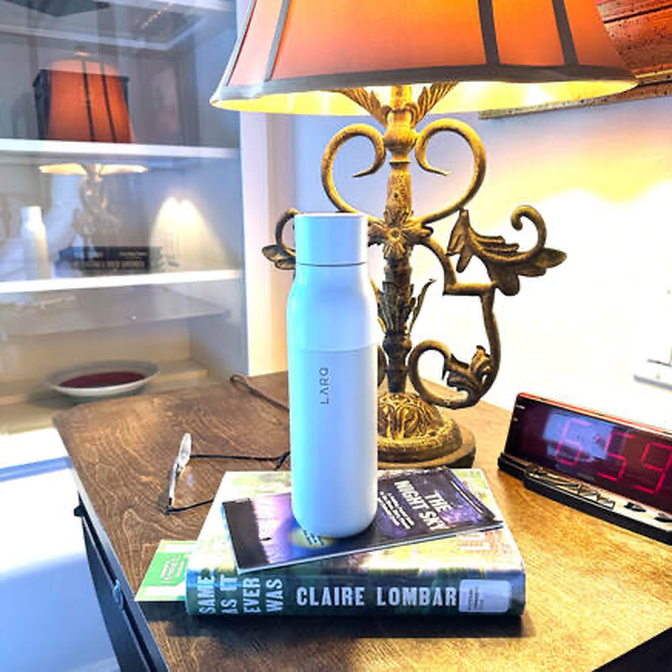
Carry my LARQ UV self-cleaning water bottle, which uses UV-C light to help reduce microorganisms in the water.
So what is the connection between drinking water and lung health?
How Drinking Water, Reflux, and Aspiration May Contribute to MAC Lung Disease
Two common conditions may increase the chance that water reaches the lungs instead of remaining in the digestive tract:
Swallowing difficulties and micro-aspiration
Gastroesophageal reflux disease (GERD) or laryngopharyngeal reflux (LPR)
Why Micro-Aspiration Matters in Bronchiectasis
We all occasionally aspirate tiny amounts of food or liquid, especially when something “goes down the wrong pipe.” Healthy lungs usually clear these small amounts without difficulty.
For people living with bronchiectasis, however, damaged airways and impaired mucociliary clearance make it harder to remove aspirated material. Over time, repeated micro-aspiration may contribute to airway inflammation and increase the opportunity for bacteria to remain in the lungs.
GERD, Silent Reflux (LPR), and Aspiration Risk
GERD and LPR can allow stomach contents to travel back into the esophagus and, in some people, into the throat or airways, particularly during sleep.
If swallowed water contains environmental bacteria such as MAC that survive passage through the stomach, reflux and aspiration may provide another pathway for those organisms to reach vulnerable lungs. Although researchers continue to investigate this process, growing evidence suggests aspiration may play an important role in some people with bronchiectasis and NTM lung disease.
Practical Ways to Reduce Aspiration Risk
If you have GERD or silent reflux, consider discussing these strategies with your healthcare provider:
Avoid eating within 2-3 hours of bedtime.
Maintain a healthy weight.
Limit foods that trigger reflux.
Ask your healthcare provider whether an alginate product, such as RefluxRaft, may be appropriate.
My Personal Strategies to Reduce Environmental MAC Exposure
To reduce my exposure to environmental MAC bacteria, I choose to avoid:
Water coolers, where biofilms may develop.
Charcoal-only filters, such as Brita, which filter contaminants but do not sterilize water.
Unboiled tap water when traveling.
When I purchase bottled water, I choose sealed commercial brands rather than refill stations or shared dispensers.
I also carry my LARQ UV water bottle when traveling, which uses UV-C light to help reduce microorganisms in the water.
Expert Insight
“MAC thrives in biofilms in household water systems and is resistant to chlorine disinfection.”
— Dr. Joseph Falkinham
This is one reason many bronchiectasis specialists recommend paying attention to water exposures, particularly for people with a history of NTM lung disease.
Finding the Right Balance
Not every bronchiectasis or NTM specialist approaches environmental exposure in the same way.
Some encourage patients to focus on quality of life and avoid becoming overly anxious about bacteria in everyday environments. Others recommend taking additional precautions, particularly for people with recurrent NTM infections, significant reflux, or other risk factors.
There is no one-size-fits-all approach. The best strategy is one developed together with your pulmonologist or infectious disease specialist.
Consider Avoiding
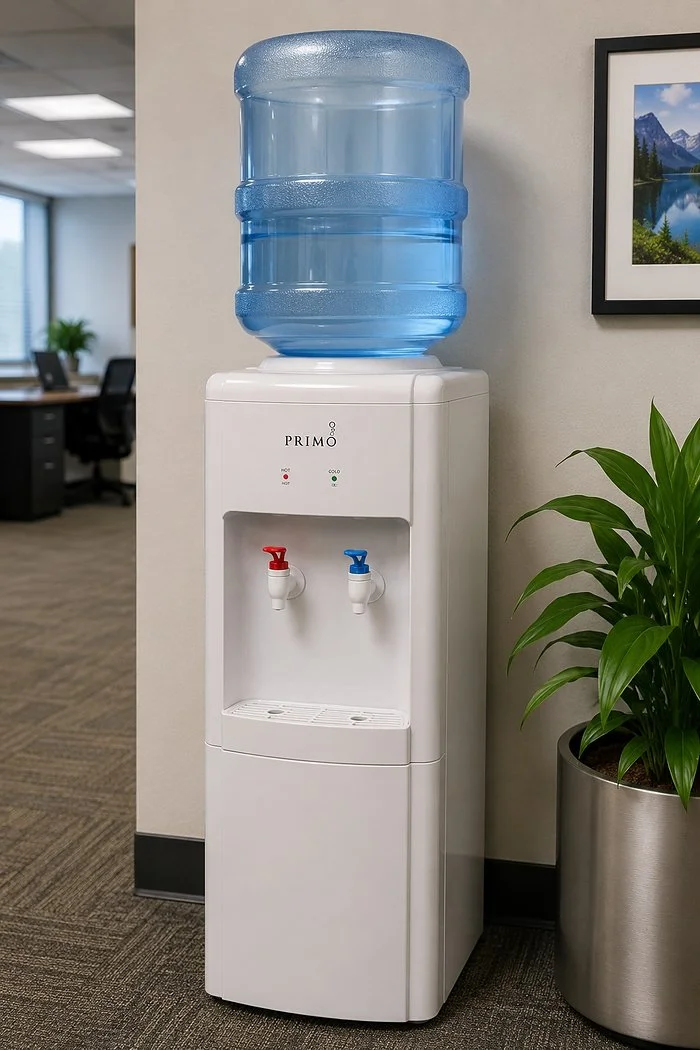
Water coolers
Refrigerator water dispensers
Ice from unknown sources
Charcoal-only water filters as your only method of water treatment
Tap water for CPAP humidifiers unless properly sterilized
Helpful Habits
Let hot water run for 30-60 seconds before showering to help flush stagnant water from household plumbing.
Use bottled or appropriately sterilized water when taking medications if recommended by your healthcare provider.
Elevate the head of your bed if reflux is a concern.
Discuss travel plans, water exposures, and aspiration risk with your healthcare provider.
The goal isn’t to eliminate every possible exposure. That’s neither realistic nor necessary.
Instead, focus on practical, evidence-informed strategies that fit your individual risk factors and lifestyle. Thoughtful choices about water, reflux management, and aspiration prevention may help reduce unnecessary exposure while allowing you to continue living a full and active life.
The goal isn’t to eliminate every possible exposure. That’s neither realistic nor necessary.
Instead, focus on practical, evidence-informed strategies that fit your individual risk factors and lifestyle. Thoughtful choices about water, reflux management, and aspiration prevention may help reduce unnecessary exposure while allowing you to continue living a full and active life.
