
Let’s talk about something that often gets overlooked when living with bronchiectasis: muscle loss, especially in the gluteal muscles.
Many people with bronchiectasis tend to be thinner. This can mean a loss of body fat, but it can also mean a loss of muscle mass. Losing muscle is not just a cosmetic issue. It affects balance, mobility, strength, and long-term independence.
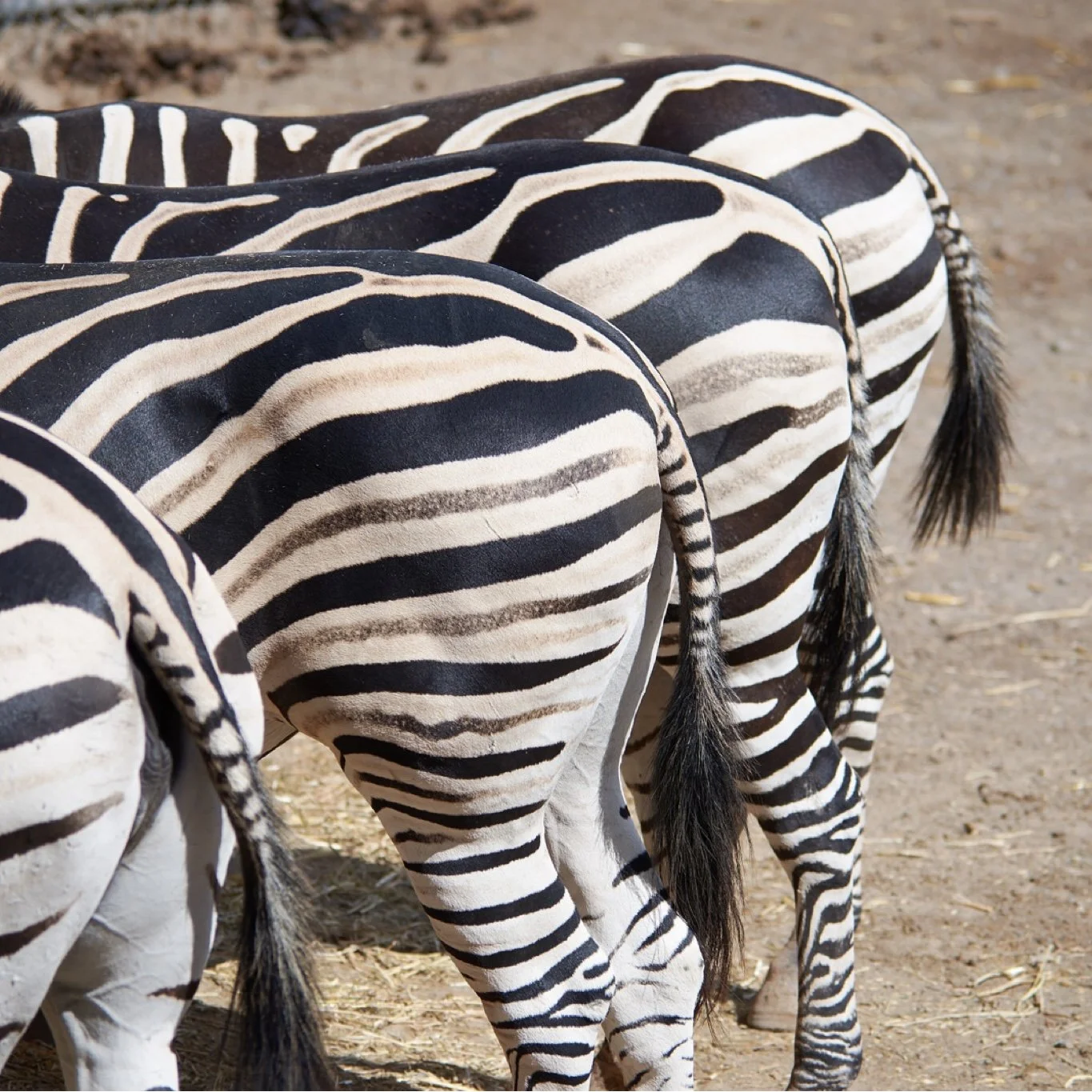
The gluteal muscles are large for a reason. They are designed to handle heavy, repetitive work during everyday activities such as climbing stairs, standing up from a chair, getting up from the floor, and stabilizing the spine during movement.
Why Glute Strength Is So Important
Strong glutes support many aspects of daily function and health, including:
Easier transitions from sitting to standing
Improved balance and stability
Reduced strain on the lower back and knees
Better posture during movement
When glute strength declines, people often compensate by bending forward at the waist or relying on smaller muscles. Over time, this can increase joint stress, back discomfort, and the risk of falls.
The Connection Between Glute Strength and Reflux
Glute strength also matters for people who experience gastroesophageal reflux disease (GERD), which is common in bronchiectasis.
When squatting or reaching the floor, bending at the waist increases abdominal pressure and can worsen reflux. Strong gluteal muscles allow you to lower your body by bending at the hips and knees instead of folding forward.
This matters because controlling reflux helps reduce the risk of aspiration of stomach contents into the lungs, which can contribute to lung inflammation and worsen bronchiectasis.
A Simple Exercise to Strengthen Your Backside
The good news is that strengthening your glutes does not require fancy equipment or long workouts.
Mini-Squats
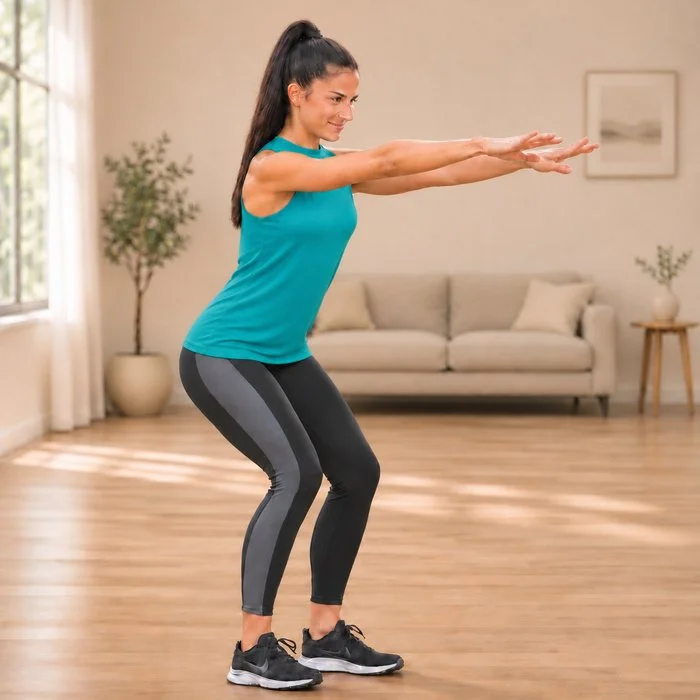
Lower your body as if you are about to sit in a chair
You do not need to go very low
Keep your chest lifted and your spine relatively straight
Stop before your upper back starts to round forward
Press through your heels to stand back up
This movement targets the gluteal muscles while reinforcing good posture and joint alignment. It is also a reflux-friendly exercise, because you lower your body by bending at the hips and knees rather than folding forward at the waist.
How to Fit Mini-Squats Into Your Day
Mini-squats are easy to incorporate into daily life:
Do a few while waiting for water to boil
Practice them during television commercials
Set aside short sessions several days a week
Consistency matters more than intensity. Small efforts done regularly can lead to meaningful strength gains over time.
This approach is sometimes called exercise snacking: short bursts of movement spread throughout your day.
More Simple Glute Exercises You Can Do at Home
As a certified personal trainer who also lives with bronchiectasis, I like exercises that are simple, safe, and easy to fit into everyday life. Once mini-squats feel comfortable, you can add a few more movements. None of them require equipment.
Sit-to-Stands
Sit near the front edge of a sturdy chair with your feet hip-width apart
Lean forward slightly from the hips, not the waist
Press through your heels to stand up fully, then sit back down slowly and with control
Use your hands on the armrests at first if you need to
Standing Hip Extensions
Stand facing a kitchen counter and hold it lightly
Keep your torso upright and slowly move one leg straight back
Squeeze the glute on that side, then return to the start
Switch sides
Standing Side Leg Raises
Hold the counter for balance
Lift one leg out to the side, keeping your toes pointing forward
Lower it slowly and switch sides
Glute Bridges
Lie on your back with your knees bent and feet flat
Press through your heels to lift your hips, then lower them slowly
If you have reflux, avoid this one soon after eating, since lying flat can make symptoms worse
You’ll find more exercises and tips for staying active in my book, The BE CLEAR Method to Living with Bronchiectasis. In the video below, I share why strength training matters for bronchiectasis and lung health at any age.
Breathe Through the Movement
When living with bronchiectasis, how you breathe while you exercise matters. Many people hold their breath when they push or lift without realizing it. Try to breathe out as you stand up or lift, and breathe in as you lower. Move at a pace that lets you keep breathing comfortably. If you become short of breath, pause, rest, and start again when you are ready.
Movement may also help loosen mucus, so keep tissues nearby in case you need to cough during or after exercise.
What If You Have Joint Pain or Limitations?
If mini-squats feel difficult due to knee, hip, or back issues, do not push through pain.
You may benefit from working with a physical therapist or personal trainer who can help isolate and strengthen specific joints safely. Improving joint stability often makes both daily activities and formal exercise feel easier and more comfortable.
A physical therapist can be a valuable member of your bronchiectasis care team.
Muscle Needs Fuel Too
Exercise builds strength best when your body has enough nourishment to support it. This matters even more if you are already on the thinner side. If you are losing weight without trying, or find it hard to eat enough, talk with your care team or a registered dietitian about getting enough calories and protein for your needs.
Learn more about why calories come first with bronchiectasis and how your body can break down muscle when it isn’t getting enough fuel.
Long-Term Benefits of Stronger Glutes
Over time, improved glute strength can help you:
Squat down to pick something up from the floor
Garden with better body mechanics
Reduce strain on the lower back
Move more confidently and efficiently
These functional gains support overall health, independence, and quality of life.
A Sample Strength Training Routine for Bronchiectasis
Not sure where to begin? Here is one simple way to start strength training at home with bronchiectasis:
2 to 3 days a week, on non-consecutive days
Choose 2 or 3 of the exercises above
Start with 5 to 8 slow, controlled repetitions of each
Add repetitions gradually as they become easier
You may also want to ask your care team whether a pulmonary rehabilitation program is right for you. These programs offer supervised exercise and education designed for people living with lung conditions.
A Final Word on Safety
Before starting or changing an exercise program, always check with your healthcare provider to be sure the activity is appropriate for you.
Strengthening your glutes is beneficial at any stage of bronchiectasis. No ifs, ands, or butts about it.
