
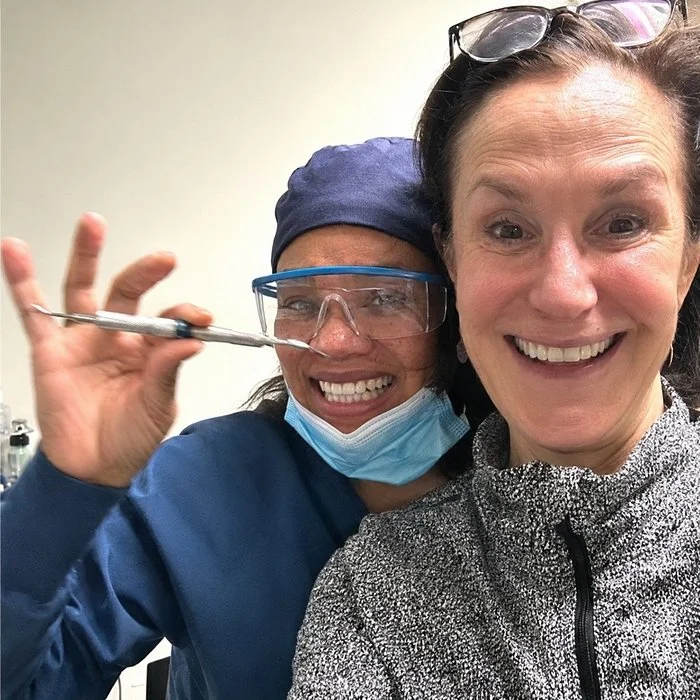
Going to the dentist probably isn’t at the top of anyone’s list of favorite activities. Add a cough, mucus, and a chair that tips you backward, and there’s a little more to think about than whether you’ve been flossing!
Taking good care of our teeth and gums is important because our oral health is closely connected to our lung health. I’m even considering adding a third dental cleaning each year. My dental insurance won’t cover it, but now that I’m in my 70s, I think it’s time to step up my game a little!
For those of us living with bronchiectasis, a little planning and an open conversation can make dental visits much more manageable. Over the years, I’ve found a few things that help me feel more comfortable. Perhaps some will help you, too.
Start with a conversation
Before anyone puts an instrument in my mouth, I explain that I have bronchiectasis, a chronic lung condition, and that I may need to cough or bring up mucus during the appointment. It can help to mention that bronchiectasis itself isn’t contagious. There’s no need to give your hygienist an entire lecture on lung health. Although, as you might imagine, I could!
Something simple will do:
“I have a chronic lung condition that can make me cough. I may need you to pause so I can sit up and clear mucus. Can we agree on a hand signal?”
My signal is a raised hand. It means, “Please stop. I need a moment.” I wait until the instruments are out of my mouth, sit up, turn away, and cough into a tissue or my elbow. Knowing we have a plan makes me feel more relaxed. And it gives the dental team a chance to help.
Ultrasonic vs. manual scaling with bronchiectasis
For my cleanings, I prefer manual scaling. This means the hygienist uses hand instruments to remove plaque and tartar rather than an ultrasonic scaler, such as a Cavitron, which uses vibration and water spray.
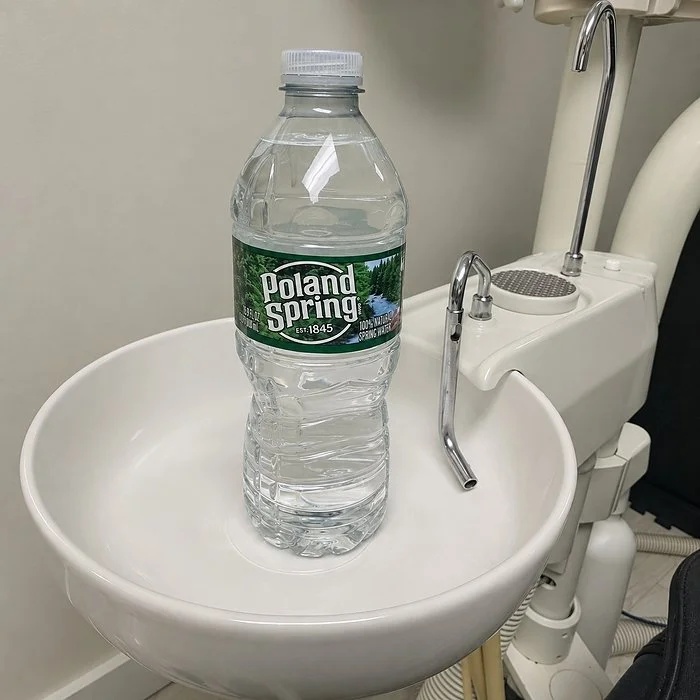
My preference comes from wanting to limit water spray and having concerns about dental waterlines. Biofilms, which are communities of microorganisms attached to a surface, can develop inside those narrow tubes. Dental offices need to treat and monitor their waterlines to maintain appropriate water quality. Simply filling a machine’s reservoir with bottled water isn’t enough to control biofilm.
You can also ask, “How does your office treat and test the water used in dental equipment?” It’s a reasonable question. I recently talked with my dentist, who had just installed a new water filtration system. We agreed that even with filtration, some bacterial biofilm can remain in the tubing.
That doesn’t mean an ultrasonic cleaning will give you a lung infection. Nor is manual scaling an established requirement for everyone with bronchiectasis. It’s a preference I discuss with my dental team. If you would like manual scaling, ask when you book. Your hygienist can explain what is appropriate for your teeth and gums and whether additional time is needed.
Tips for coughing and mucus in the dental chair
Do airway clearance beforehand. I like to arrive having completed my usual routine. If you tend to bring up mucus, leave yourself enough time afterward to settle before heading out.
Bring tissues and discuss rinsing. I bring bottled water and ask to use it in a clean cup for rinsing. It’s a personal preference, and it doesn’t change the water that comes through the dental instruments.
Find a workable chair position. If lying flat makes you cough or brings on reflux, say so before the chair goes back. Ask whether the team can work with you more upright and give you breaks to sit up. They still need to see and reach your teeth, so this may take a little problem-solving together.
Think about meal timing. If reclining triggers your reflux, try to schedule your visit so you aren’t lying back soon after a meal. Reflux guidelines generally suggest waiting about three hours after a meal before lying down.
Ask for pauses and suction. Let the team know if water is pooling or you need a break. You don’t have to wait until you’re uncomfortable to speak up, or raise that hand!
Relax your shoulders and breathe gently. I sometimes rest my hands on my belly as a reminder to release tension. There’s no need to force big breaths, especially if that makes you cough.
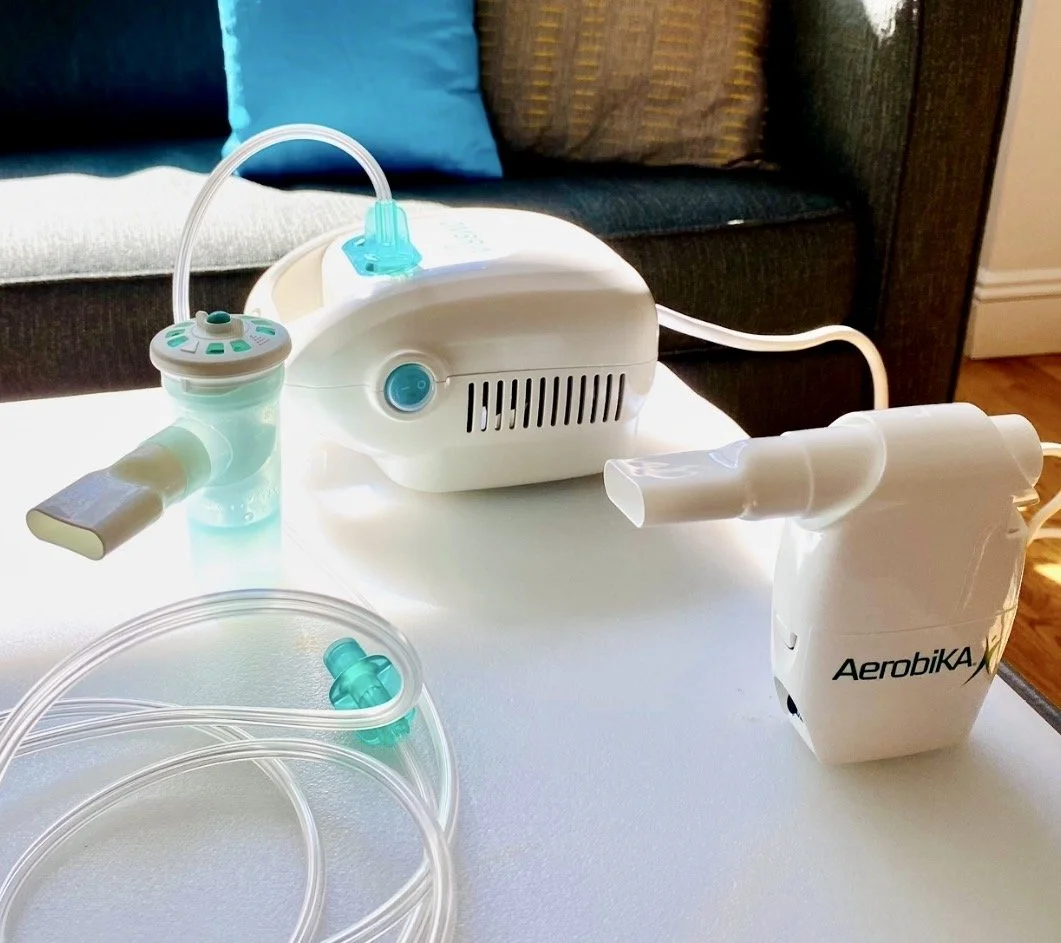
After a significant exposure, make time for airway clearance. Dr. Charles Daley, a leading bronchiectasis and nontuberculous mycobacterial (NTM) expert at National Jewish Health, recommends that after a significant exposure, we come home and do a good airway clearance session. The goal is to help mobilize and clear mucus and anything we may have inhaled.
It’s a simple, proactive step we can take to support our airway health after situations where we’ve had substantial exposure to dust, aerosols, environmental irritants, or other potential triggers. It isn’t proven to prevent infection, but it’s a sensible, low-risk step.
Having a filling or more involved dental work?
Talk through the plan beforehand. Ask whether a dental dam, a protective sheet that isolates the tooth being treated, would be appropriate, and how the team will manage suction and breaks.
For oral surgery, CDC recommends sterile saline or sterile water for irrigation, delivered through equipment designed to maintain sterility. Putting sterile fluid into a standard dental water reservoir does not make the water coming out sterile. Your dental team can explain how this applies to your procedure.
If you have a history of NTM lung disease or particular concerns about your lung health, ask your pulmonologist whether you need any individualized precautions, and share that guidance with your dentist.
We can ask for what we need
Living with bronchiectasis gives us plenty of practice at problem-solving. Dental visits are another place to put those skills to work.
We can explain our condition, ask questions, request a pause, and work with the people caring for us. A raised hand and a few minutes of conversation can go a long way. I’m sharing what works for me, not medical advice, so please check with your own care team.
What helps you feel more comfortable at the dentist? Please share in the comments. We learn so much from one another!
Frequently Asked Questions
Should I tell my dentist I have bronchiectasis?
Yes. Let your dentist and hygienist know before the appointment begins. Explain that it’s a chronic lung condition, that it isn’t contagious, and that you may need to pause to cough or clear mucus. Agreeing on a hand signal ahead of time helps everyone feel prepared.
Can a dental cleaning cause a lung infection if I have bronchiectasis?
An ultrasonic cleaning won’t necessarily cause a lung infection. Some of us prefer to limit water spray because biofilm can develop inside dental waterlines. If this concerns you, ask how the office treats and tests the water in its equipment, and talk with your hygienist about whether manual scaling is right for you.
What is manual scaling, and do people with bronchiectasis need it?
Manual scaling means the hygienist removes plaque and tartar with hand instruments instead of an ultrasonic scaler, which uses vibration and a water spray. It isn’t a requirement for everyone with bronchiectasis. It’s a preference you can discuss with your dental team. If you’d like it, ask when you book in case extra time is needed.
How can I avoid coughing while lying back in the dental chair?
Do your usual airway clearance before the appointment. If lying flat makes you cough or triggers reflux, say so before the chair goes back, and ask whether you can be more upright with breaks to sit up. If reflux is an issue, try not to schedule your visit soon after a meal.
What should I do after a dental visit?
After dental work with significant water spray or aerosols, consider coming home and doing a good airway clearance session to help clear mucus and anything you may have inhaled. It isn’t proven to prevent infection, but it’s a sensible, low-risk step to support your airway health.
Last reviewed: November 8, 2026
Want to Learn More about Bronchiectasis?
The BE CLEAR® Guide to Bronchiectasis is designed to help you understand and manage your chronic lung condition at your own pace. Whether you’re newly diagnosed or looking to strengthen your daily routine, the guide offers expert-informed content, practical suggestions, and compassionate support every step of the way.
