
Nasal Washes, Nebulizer Tubing and Bronchiectasis
How Often Should You Replace Nebulizer Tubing and Sinus Rinse Bottles?
When we think about infection prevention, we often focus on cleaning and sterilizing the equipment that comes into direct contact with our airways. But what about the parts we can’t sterilize?
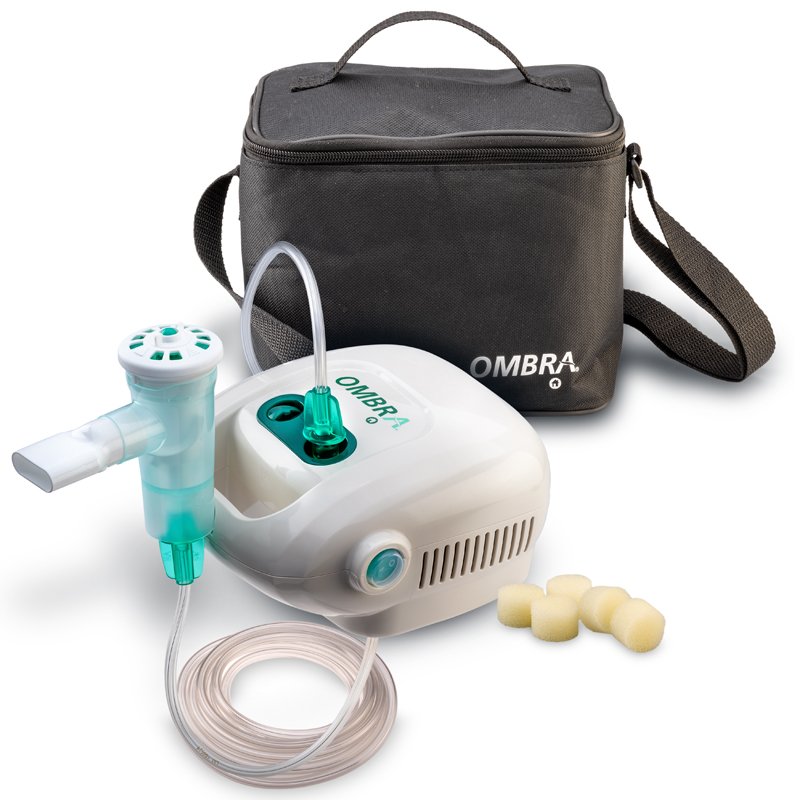
Two items worth thinking about are nebulizer tubing and sinus rinse bottles.
Nebulizer Tubing: How Often Should You Replace It?
Over the years, recommendations for replacing nebulizer tubing have changed.
Previously, a commonly cited guideline was to replace nebulizer tubing about every six months. More recently, there has been greater emphasis on infection control and on the fact that most nebulizer tubing cannot be sterilized.
National Jewish Health currently recommends replacing nebulizer tubing every two weeks.
That may sound frequent, particularly if you have been accustomed to changing it only a few times a year. But tubing is relatively inexpensive, often around $8, and for those of us living with bronchiectasis or other conditions that make us particularly concerned about respiratory infections, replacing it more frequently may provide some additional peace of mind.
Some people choose to replace their tubing monthly. Others may choose every two weeks, following the National Jewish Health recommendation. And some people who are particularly infection-conscious opt to replace it weekly.
The important point is that tubing is different from many of the other components of our nebulizer system. We may be able to sterilize our nebulizer cups and other respiratory equipment using methods approved by the manufacturer, but tubing generally cannot be sterilized in the same way.
That makes regular replacement an important part of equipment maintenance.
What About Sinus Rinse Bottles?
This brings me to something else I have been thinking about: sinus rinse bottles.
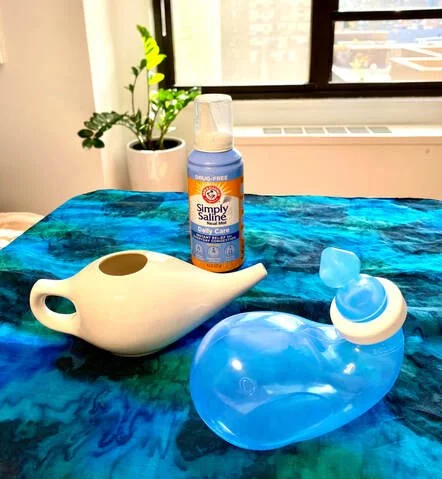
Many people with bronchiectasis also deal with sinus issues and use nasal irrigation as part of their routine. NeilMed recommends replacing its Sinus Rinse bottle every three months.
The bottles can be washed with detergent and water according to the manufacturer’s instructions. But unlike some medical equipment, the standard bottles are not designed for high-heat sterilization.
And that raises an interesting question:
If we are using nasal irrigation to help keep our sinuses healthy, how do we make sure the bottle itself remains as clean as possible?
The Biofilm Question
Bacteria can attach to surfaces and form communities known as biofilms. Once established, biofilms can be more difficult to remove with ordinary cleaning alone.
That doesn’t mean your sinus rinse bottle is necessarily harboring dangerous bacteria or that following the manufacturer’s replacement schedule is unsafe.
But for someone who experiences recurrent or difficult-to-treat sinus infections, it may be worth discussing bottle hygiene and replacement frequency with an ENT or other knowledgeable healthcare professional.
I think this is especially worth considering for those of us who already pay close attention to infection prevention because of bronchiectasis or NTM.
Could a Sterilizable Syringe Be an Alternative?
Some people who perform nasal irrigation use large, sterilizable syringes rather than squeeze bottles.
Depending upon the syringe and manufacturer’s instructions, this may provide an option for people who want equipment that can withstand high-heat sterilization.
However, syringes aren’t practical for everyone.
People with significant sinus disease may be instructed to perform large-volume irrigation, sometimes using 16 ounces or more of solution. In those situations, repeatedly filling a syringe may be cumbersome.
And some people are prescribed medications or antibiotics to add to their sinus irrigation solution, making it particularly important to follow the instructions of their ENT or medical team.
What I Use
Personally, I prefer NeilMed’s Squeezie.
The flexible plastic and wide opening make it easier for me to see and thoroughly clean the inside. I can also reach inside with a soft bottle brush, something I appreciate from an infection-control standpoint.
I have personally put my Squeezie in my Bololo baby bottle steam sterilizer without any problems.
However, this is important: that is my personal practice, not a manufacturer recommendation. Before exposing any sinus rinse bottle or medical device to high heat, check the manufacturer’s instructions. Heat can potentially damage plastics or alter a device in ways that aren’t immediately visible.
The Squeezie also holds only 8 ounces, so it may not be practical for someone who regularly uses a larger 16-ounce rinse.
Another Simple Option: Replace the Bottle More Often
There may be another very simple approach: replace the bottle more frequently.
Just as some people choose to replace inexpensive nebulizer tubing more often than they once did, someone who is particularly concerned about sinus rinse bottle hygiene might decide, in consultation with their healthcare team, to replace the bottle more frequently than every three months.
That could mean monthly, every few weeks, or even weekly for someone who feels the additional expense is worthwhile.
The problem is that replacement bottles aren’t always sold separately. NeilMed packages bottles with sinus rinse solution packets.
I’ve reached out to NeilMed to suggest offering standalone replacement bottles, perhaps even in discounted multipacks. I think that could be useful for people who would like the option of replacing their bottles more frequently without accumulating packets they don’t need.
Clean Water Matters Too
Of course, the bottle is only one part of safe nasal irrigation.
The water used for nasal rinsing is critically important. Tap water should not simply be used straight from the faucet for nasal irrigation. Follow current public health and manufacturer recommendations regarding distilled, sterile, or appropriately boiled and cooled water.
And always follow the cleaning, drying, and replacement instructions provided by the manufacturer of the particular irrigation device you use.
Finding the Routine That Makes You Feel Confident
There isn’t one infection-prevention routine that every person needs to follow.
Our medical histories are different. Our susceptibility to infections is different. Our equipment is different. And our physicians may give us different recommendations based on our individual circumstances.
For me, the goal isn’t to become fearful of the tools we use to help keep ourselves healthy. It’s to understand where potential risks may exist and make thoughtful, practical choices.
Sometimes something as simple as replacing an inexpensive piece of equipment more frequently can provide an extra measure of confidence.
Before making changes to your nebulizer or sinus irrigation routine, discuss them with your medical team and follow the cleaning, sterilization and replacement instructions provided by the manufacturer of your equipment.
