
Why Sputum Color Matters in Bronchiectasis
In patient education webinars, bronchiectasis expert Prof. James Chalmers often shares his enthusiasm for sputum. One of his favorite teaching tools is a sputum color chart, and for good reason.
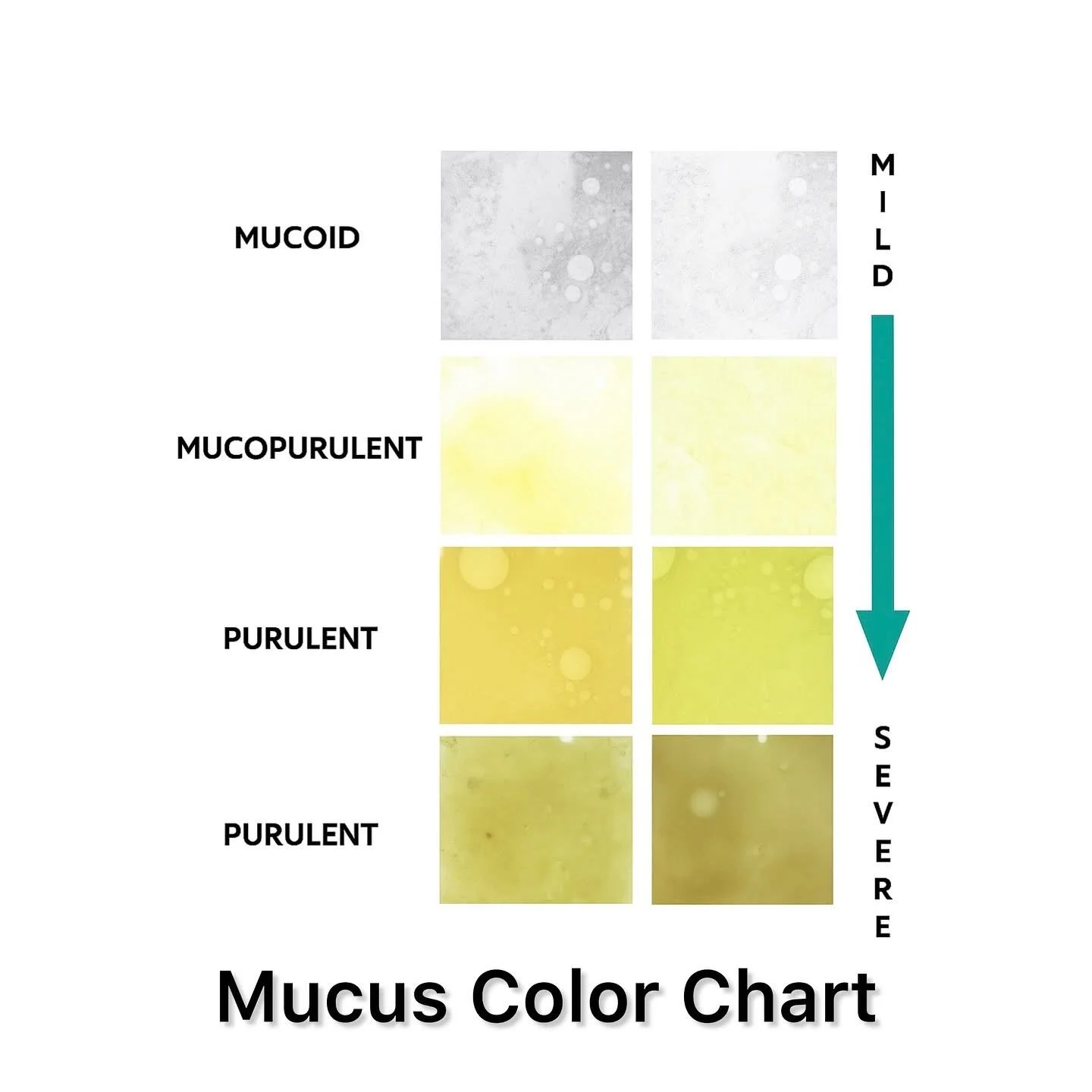
Why Mucus Matters
Mucus is part of the body’s defense system. It helps trap bacteria and harmful particles before they reach deeper into the lungs. Mucus also acts as an important signal. When infection is present, it can become thicker and shift toward a darker or greenish color.
This color change is driven by the immune system. Neutrophils, a type of white blood cell, release an enzyme called myeloperoxidase. Myeloperoxidase helps kill pathogens and form structures that trap microbes. While this response is essential for fighting infection, excessive activity can damage lung tissue and contribute to chronic inflammation.
Early Action Is Key
Because bronchiectatic lungs are already scarred and vulnerable, identifying and treating infection early is critical. Paying attention to changes in mucus can provide a valuable head start. If sputum becomes darker, thicker, or more green, it is important to notify your healthcare provider promptly and provide a sputum sample for testing.
Sputum Samples and Standing Orders
Many people with bronchiectasis keep sterile sputum cups at home and have a standing order with their local laboratory. A standing order allows you to drop off a sample without needing a new prescription each time, following instructions already on file from your physician.
A typical standing order for bronchiectasis may include testing for common respiratory bacteria, fungi, and mycobacteria using acid fast bacilli testing. Results for slow growing organisms can take several weeks.
Advocate for Yourself
Facing infection can feel overwhelming, but mucus provides valuable information. Paying attention to changes and acting early can help protect lung health and support better outcomes.
What do you do when you notice changes in your mucus color or consistency?
