
Pseudomonas can move in quietly. No extra cough, no extra mucus, no change in color. By the time it causes symptoms, it may already be digging in for the long haul. One question I asked my pulmonologist changed how I think about it.
I’m lucky to work with a pulmonologist who is also a natural teacher. I bring a short list of questions to every visit so we can make the most of our time together.

A few years ago, one of my appointments fell on the same day as a bronchiectasis webinar with Dr. James Chalmers, Dr. Francesco Blasi, and Dr. Stefano Aliberti. I listened on my phone and missed parts of it while being prepped for a CT scan. Still, I came away with an important new question for my doctor, this one about Pseudomonas.
Why Pseudomonas Gets So Much Attention
Almost every bronchiectasis conference or webinar now includes a talk on Pseudomonas aeruginosa, and for good reason. It is the most common bacterium found in bronchiectasis. Research links long-term Pseudomonas infection to more flare-ups, worse quality of life, and faster loss of lung function.
Like nontuberculous mycobacteria (NTM), Pseudomonas can form biofilms. These slimy protective layers let bacteria cluster together and shield themselves from antibiotics and the immune system. Once a biofilm is established, Pseudomonas becomes much harder to clear. That’s why the time right after it first appears matters so much.
The Answer That Surprised Me
I asked my pulmonologist a direct question: if Pseudomonas showed up in my sputum, what would she do? Would she repeat the culture before treating?
“No,” she said. “We would treat it right away.”
That surprised me, but it matched something Dr. Blasi said in the webinar: Pseudomonas can be present without obvious symptoms. You might have no extra cough, no extra mucus, and no change in mucus color. If we wait for symptoms, we may miss the best chance to treat it.
What the Guidelines Say Today
Since that conversation, new guidelines have been published, and they help explain my doctor’s answer. Treating Pseudomonas when it is first found is called eradication therapy. The goal is to clear the bacteria before it settles in for good.
Here’s where it gets interesting: European and US experts don’t agree.
In Europe, there is consensus. The European Respiratory Society’s 2025 guideline recommends offering eradication therapy when Pseudomonas is found for the first time. It’s a conditional recommendation, meaning the experts support it while acknowledging the research is still limited. The European Lung Foundation offers a plain-language summary for patients.
In the US, there isn’t. The American College of Chest Physicians (CHEST) 2026 guideline did not recommend for or against eradication therapy. The panel felt the evidence wasn’t strong enough to decide either way.
Eradication doesn’t always work, but studies suggest it works better when an inhaled antibiotic is part of the plan.
This means whether your doctor treats a first positive culture right away may depend partly on which guidance they follow. That’s why it’s worth asking what they would do before it happens.
Why Regular Sputum Cultures Matter
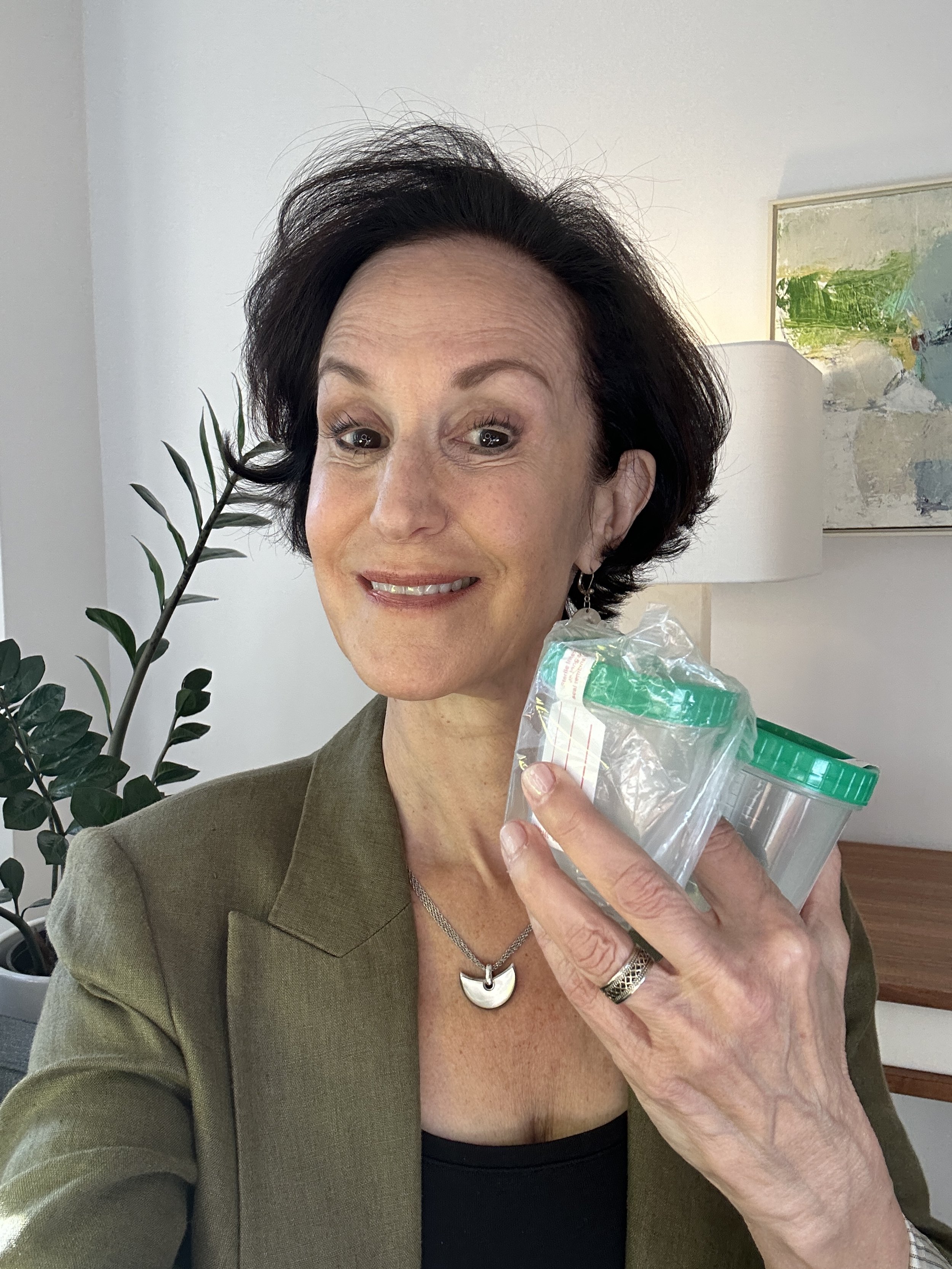
You can’t treat early what you haven’t found. Many people with bronchiectasis see their pulmonologist only once a year. That may be appropriate for some, but this conversation showed me why more regular sputum monitoring is worth discussing with your medical team.
For some patients, that means a standing lab order, so they can submit sputum samples without a new order each time. How this works depends on your healthcare system, insurance, and lab, but it’s worth discussing.
Questions to Bring to Your Next Appointment
Every person with bronchiectasis is different, and there’s no one-size-fits-all monitoring schedule. What matters is having a plan. Consider asking:
If Pseudomonas showed up in my sputum, what would you do?
How often should I have a sputum culture?
Should I send a sample even when I feel well?
Would a standing lab order make sense for me?
Being proactive doesn’t mean being anxious. It means being informed and prepared.
Want to go deeper? The BE CLEAR® Guide walks through managing flare-ups and infections and working with your care team, step by step.
I’m sharing my own experience and what I’ve learned. This isn’t medical advice, so please talk with your own care team about what’s right for you.
Last reviewed: November 16, 2026
