

Reducing lung infection risk doesn’t require extreme measures, expensive products, or a burdensome routine. Small, consistent steps can help protect lung health, especially for people living with bronchiectasis or those prone to recurrent infections. Everyday exposures matter: Professor Rachel Thomson, an NTM researcher at the University of Queensland, found that mycobacteria in household water “could be aerosolised during showering to a respirable particle size,” small enough to be inhaled deep into the lungs.
These precautions are about awareness and prevention, not fear or perfection.
Who Should Consider Taking Extra Precautions?
Some people with bronchiectasis choose a wait-and-see approach, especially if they have never had a lung infection. However, a more proactive strategy may be helpful if you have:
Compromised or suppressed immunity
A history of lung infections, including NTM or fungal infections
A current or recent respiratory infection
For these individuals, environmental exposures can play a meaningful role in ongoing inflammation and infection risk.
Why Environmental Precautions Matter in Bronchiectasis
Bronchiectasis involves permanently widened airways that are more vulnerable to mucus buildup and microbial growth. Bacteria, fungi, and nontuberculous mycobacteria thrive in moist environments and can become aerosolized through water, soil, and dust.
Reducing exposure helps limit what reaches already vulnerable airways.
Simple Infection-Prevention Steps at Home
These strategies require little time and no special purchases.
Water Safety
Set your water heater to at least 130°F (54°C) to reduce bacterial growth. Water this hot can scald in seconds, so consider an anti-scald valve, especially if children or older adults live with you.
Avoid using refrigerator water and ice dispensers.
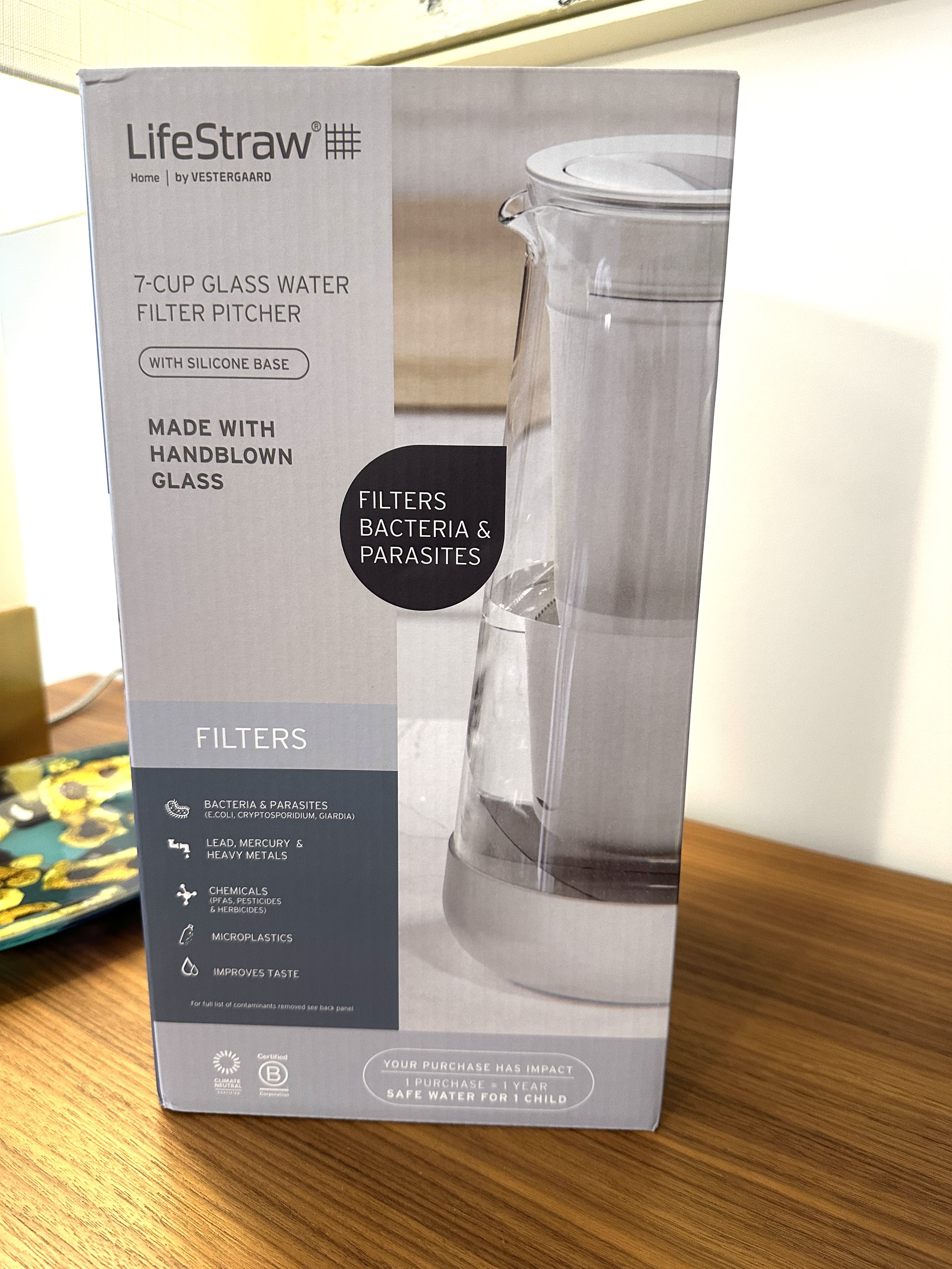
Choose bottled or properly filtered water instead of shared water coolers. If you filter, choose a filter certified to remove bacteria (0.2 micron or “absolute 1 micron”), or boil water and let it cool.
Do not use carbon filter pitchers, such as Brita-style systems. According to Dr. Joseph Falkinham, carbon promotes bacteria growth.
If a faucet, shower, or toilet hasn’t been used in a while, let the water run for several minutes before use.
Use only sterile water for sinus rinses and neti pots. Never use tap water straight from the faucet.
After using a rinse bottle, rinse it and let it air-dry completely between uses.
Shower Habits
Keep showers short to reduce exposure to aerosolized mist.
Ventilate the bathroom by opening a window and/or running an exhaust fan during and after showering.
Showerhead Maintenance and Alternatives
Showerheads can harbor biofilm.
You may choose one of the following approaches:
Option 1: Remove the showerhead periodically and soak it in undiluted bleach for 30 minutes.
Option 2: Shower without a showerhead.
Both options reduce exposure to aerosolized organisms.
Humidifiers and Indoor Air Moisture
If a humidifier is necessary:
Choose an evaporative humidifier, not an ultrasonic model.
Sterilize it regularly according to the manufacturer's instructions and infection-control guidance.
Ultrasonic humidifiers can aerosolize contaminated water directly into the air.
Cleaning Nebulizers and Airway Clearance Devices
Nebulizers, PEP, and oscillating devices go directly into your airways. If they aren't cleaned properly, they can introduce the very organisms you are trying to avoid.
Clean after every use with warm, soapy water, and rinse thoroughly.
Disinfect regularly, following the manufacturer's instructions. Common methods include boiling, steam sterilizer bags, or soaking in 70% isopropyl alcohol or 3% hydrogen peroxide.
If you use a soaking (cold) disinfection method, rinse afterward with sterile water, not tap water.
Air-dry completely on a clean paper towel before storing. Moisture left inside a device encourages microbial growth.
Replace parts on the schedule your manufacturer or care team recommends.
Reducing Dust Exposure Indoors
Dust can carry bacteria and fungi that irritate sensitive airways.
Remove dust-collecting items such as heavy drapes and wall-to-wall carpeting when possible.
Vacuum frequently.
Consider wearing a mask while cleaning, especially during vacuuming or dusting.
Gardening and Soil Exposure
Soil can contain fungi and nontuberculous mycobacteria.
Wear an N95 mask while gardening.
Wet the soil before working with it to reduce aerosolization.
Be Cautious With Indoor Pools and Hot Tubs
Warm, moving water is an ideal environment for nontuberculous mycobacteria (NTM) and other bacteria. Hot tub jets, fountains, and splashing turn that water into a fine mist that is easy to inhale. Indoors, that mist lingers in the air. Hot tub exposure has even been linked to “hot tub lung,” an inflammatory lung reaction to NTM (usually MAC) in hot tub mist.
Indoor pools add another concern. Chlorine byproducts called chloramines build up in the air, especially in poorly ventilated spaces, and can irritate sensitive airways.
Hot Tubs

If you have a history of NTM or a weakened immune system, avoiding hot tubs altogether is the safest choice.
Indoor hot tubs carry more risk than outdoor ones because the mist is trapped.
If you own a hot tub, keep disinfectant levels in range, clean or replace filters regularly, and drain and clean it on the manufacturer's schedule.
Indoor Pools
Choose well-maintained, well-ventilated facilities.
A strong "chlorine" smell is not a sign of a clean pool. It usually means chloramines have built up in the air.
Outdoor pools are generally a lower-risk option, since aerosols disperse more easily.
Steer clear of spray features, fountains and attached whirlpools.
If you choose to use pools or hot tubs, weigh the risks and talk them through with your healthcare team, especially if you have had NTM or take immune-suppressing medications.
Protecting Yourself From Respiratory Viruses
Viral infections such as flu, COVID-19, and RSV commonly trigger bronchiectasis flare-ups. Viruses can also increase your risk of bacterial infections.
Wash your hands often with soap and water, or use an alcohol-based hand sanitizer when you are out.
Avoid touching your face, especially your eyes, nose, and mouth.
Consider wearing a well-fitted mask in crowded indoor spaces during respiratory virus season, while traveling, or around anyone who is sick.
Keep distance from people with active symptoms when you can, and ask visitors to reschedule if they are unwell.
Stay up to date on vaccines. Talk with your healthcare team about which ones are recommended for you. These commonly include influenza, COVID-19, pneumococcal and RSV vaccines.
Musical Instruments and Lung Health
Brass and woodwind instruments can trap moisture.
Clean instruments thoroughly and regularly.
Allow them to dry completely between uses.
Airway Clearance Is Prevention, Too
Mucus left sitting in the airways gives bacteria a place to grow. A consistent airway clearance routine is one of the most effective day-to-day ways to lower your infection risk. Pairing it with regular exercise, staying hydrated and good oral hygiene also helps.
Know the Early Signs of a Flare-Up
Even with the best precautions, infections can still happen. Catching them early can make treatment easier and help protect your lungs. Contact your healthcare team if you notice changes that last more than a day or two, such as:
More coughing than usual
More mucus, or mucus that becomes thicker or changes color
Increased shortness of breath or reduced exercise tolerance
Unusual fatigue or feeling unwell
Fever
Blood in your mucus ( discuss with your care team what to do if this occurs)
If possible, give a sputum sample before starting antibiotics. A sample collected first helps your team choose the right treatment. It is also a good idea to work out an action plan with your care team in advance, so you know exactly what to do when symptoms change.
Self-Care, Not Fear
These precautions are not about eliminating joy or controlling every variable. They are about reducing unnecessary exposure and supporting long-term lung health.
You do not need to do everything. Choose the steps that feel reasonable and sustainable for your life.
I’m sharing my own experience and what I’ve learned. This isn’t medical advice, so please talk with your own care team about what’s right for you.
Last reviewed: November 16, 2026
