

MAC and NTM Lung Disease With Bronchiectasis: What You Need to Know
Index
MAC and NTM Lung Disease at a Glance | Why Bronchiectasis & MAC Occur Together | How You Get MAC | MAC Symptoms | How Is MAC Diagnosed? | How Quickly Does MAC Progress? | Does Everyone With MAC Need Antibiotics? | MAC Treatment | Can MAC Come Back After Treatment? | Beyond MAC: Other NTM | Finding a Specialist | Frequently Asked Questions | References
If you have bronchiectasis, you’ve probably heard of MAC or NTM lung disease. But what exactly are they, and why do they so often go hand in hand with bronchiectasis?
Having had a MAC infection myself, I know how confusing and sometimes overwhelming this diagnosis can be. Over the years, I’ve learned from researchers, physicians, respiratory therapists, and my own experience that MAC doesn’t follow the same course for everyone.
Some people need prolonged antibiotic treatment, while others can be carefully monitored without starting medication right away or perhaps at all.
And there’s a great deal we can do to support our lung health along the way!
In this article, we’ll explore what MAC and NTM are, how they’re diagnosed and treated, and practical steps we can take to reduce environmental exposure and better manage our health. For a broader look at infections in bronchiectasis, see Managing Bronchiectasis Flare-ups & Infections in the BE CLEAR® Guide.

MAC and NTM Lung Disease at a Glance
Here are a few important things to know:
Bronchiectasis and MAC often occur together. Each can contribute to the other’s development or progression.
NTM, or nontuberculous mycobacteria, are bacteria naturally found in water, soil, and dust.
MAC, or Mycobacterium avium complex, is a group of related mycobacteria responsible for most NTM lung disease cases in the United States.
MAC is not considered contagious. Unlike tuberculosis, NTM is acquired from the environment, not through contact with another person.
Not everyone with MAC needs antibiotics immediately. Careful monitoring, or watchful waiting, may be appropriate.
Treatment typically involves multiple antibiotics and often continues for at least 12 months after sputum cultures become consistently negative.
Airway clearance, nutrition, environmental precautions, and experienced medical care are important considerations.
Why Do Bronchiectasis and MAC So Often Occur Together?
Bronchiectasis permanently widens and damages the airways. As a result, the lungs may struggle to move mucus up and out. When mucus remains in the airways, it can create an environment where microorganisms, including NTM, can grow.
But the relationship works in both directions!
MAC infection can cause inflammation and further airway damage, potentially contributing to bronchiectasis or worsening existing bronchiectasis. So which came first: bronchiectasis or MAC?
Sometimes we simply don’t know. This two-way relationship is why specialists monitor people with bronchiectasis for NTM, especially when symptoms change or CT scans show new abnormalities.

Who Is at Greater Risk for MAC Lung Disease?
Several factors have been associated with a greater likelihood of developing NTM lung disease:
Existing bronchiectasis or other chronic lung conditions
Older age
Being a postmenopausal woman, particularly with a slender body type
Certain chest wall characteristics, including scoliosis or pectus excavatum
Reflux or swallowing difficulties that may contribute to aspiration
Certain immune conditions or medications that suppress immune function
But having risk factors doesn’t mean you’ll develop MAC. And people who don’t fit the typical profile can develop it, too.
How Do You Get MAC Lung Disease (MAC-LD)?
Researchers continue to study how environmental exposure leads to infection. Although there isn’t enough information to definitively say that the following have been proven to cause MAC-LD, enough association warrants concern and, for many of us, precautions.
Household Water
NTM are relatively chlorine-resistant, allowing them to survive in treated municipal water systems and reach our homes. They can survive in the biofilm that lines pipes, faucets, and showerheads. Biofilm is a thin layer of microorganisms that attaches to surfaces.

Showers, Steam, and Water Aerosols
When water becomes aerosolized, people can inhale tiny droplets. That’s why researchers have paid particular attention to showers, hot tubs, and other sources of water aerosols. It doesn’t mean we need to stop showering, but understanding these potential exposures helps us make thoughtful decisions to reduce unnecessary risk.
Some practical exposure precautions include:
Considering showerheads that produce larger droplets rather than fine mist
Keeping bathrooms well ventilated
Reducing unnecessary steam
Avoiding hot tubs, particularly indoor hot tubs
Discussing plumbing or water-temperature modifications with an appropriate professional to avoid scalding and other hazards
Drinking Water
To reduce your exposure to MAC in drinking water, use bottled spring water, boiled water, or water from a filter with an absolute pore size of 0.2 microns or smaller. Activated charcoal filters, such as Brita pitchers and built-in refrigerator filters, aren’t designed to remove MAC, and bacteria can grow on them.
Not all bronchiectasis specialists recommend this precaution because little evidence supports it, and it places a lot of burden on patients. Also, drinking water doesn’t go directly to the lungs. It can reach them only if it is aspirated, either while swallowing or after reflux from the stomach. Aspiration occurs when small amounts of liquid, food, or stomach contents enter the airways.

Gardening and Soil Precautions
Gardening is good for body and mind, but NTM can be found in soil, potting mix, and dust. To reduce the dust you breathe in, consider moistening dry soil before handling it, working outdoors when possible, and wearing a well-fitting protective mask for dusty tasks.
In this photo, I’m standing in front of a pile of soil I planned to add to my gardens. Little did I know then that soil could expose me to MAC. I would later develop a MAC lung infection that lasted for years. While I can’t know where I acquired MAC, I certainly look at gardening a little differently today!
Is MAC Caused by One Exposure or Years of Exposure?
Does someone develop MAC after one significant exposure, or does it result from repeated exposures over many years? Researchers are still investigating this question, and the answer may vary by individual.
MAC Lung Disease Symptoms: What Should You Watch For?
One challenge of MAC is that its symptoms can look remarkably similar to bronchiectasis. Because MAC often develops slowly, changes may be so gradual that we don’t recognize them right away.

Common MAC lung disease symptoms include:
Persistent or worsening cough
Fatigue
Unintentional weight loss
Poor appetite
Night sweats
Low-grade fever
Shortness of breath
Coughing up blood, also called hemoptysis
Some people experience very few symptoms, while others notice significant changes in how they feel. I always encourage people with bronchiectasis to watch for changes from their own baseline.
Are you unintentionally losing weight? Are you more fatigued than usual? Has your cough changed? Are you getting respiratory infections more often? These changes don’t necessarily mean you have MAC, but they’re worth discussing with your medical team.
How Is MAC Lung Disease Diagnosed?
Diagnosing MAC involves more than finding bacteria in a single sputum sample. Doctors generally consider three key pieces of information.
1. Symptoms and Medical History
Your doctor evaluates your symptoms, underlying lung conditions, and other possible explanations for your symptoms. Worsening cough, fatigue, night sweats, or weight loss can signal MAC.
2. Chest CT Scan
A chest CT scan may show findings associated with MAC, including bronchiectasis, small nodules, tree-in-bud changes, or cavities. These findings aren’t exclusive to MAC, so doctors interpret imaging alongside other test results.
3. Sputum Cultures for NTM
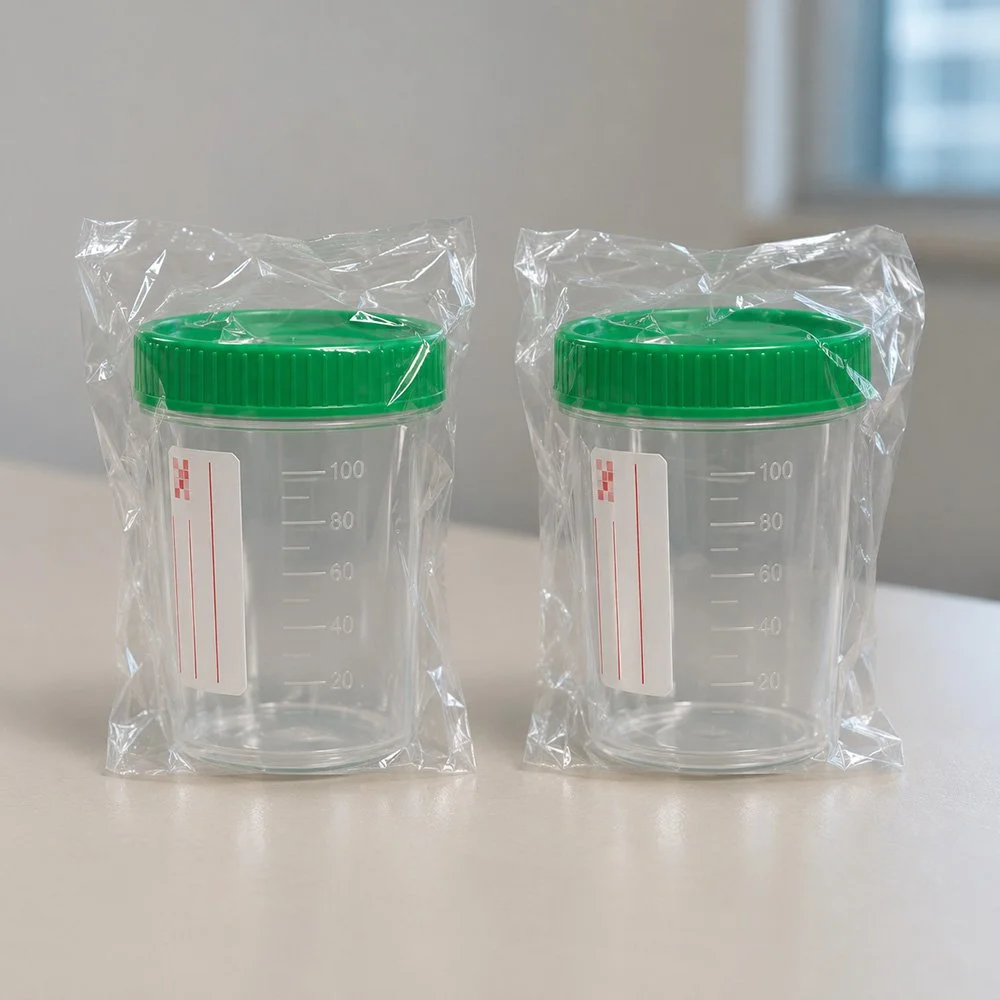
This is where special testing becomes particularly important. Detecting MAC requires an AFB culture (acid-fast bacilli culture). Because MAC grows slowly, final culture results can take 6–8 weeks.
Why Are Multiple Positive Sputum Cultures Needed?
In most cases, doctors look for at least two positive sputum cultures collected on separate occasions, together with compatible clinical and imaging findings. In certain circumstances, a positive bronchoscopic specimen or appropriate biopsy findings may satisfy the microbiological criteria. A single positive sputum culture doesn’t automatically mean someone has active MAC lung disease. That’s why it’s important to interpret the results in context.
Why Is NTM Testing Important Before Long-Term Azithromycin?
Everyone with bronchiectasis should understand this.
Azithromycin is sometimes prescribed long-term to reduce bronchiectasis exacerbations. But before starting long-term macrolide treatment, clinicians should evaluate for NTM.
Why?
Because taking azithromycin alone when MAC is present can contribute to macrolide resistance, making the infection much more difficult to treat. This clearly shows why bronchiectasis and NTM management should be considered together.
How Quickly Does MAC Lung Disease Progress?
Some people have slowly progressing disease over many years. Others experience more rapid changes. The nodular-bronchiectatic form often progresses gradually, while cavitary disease can be more aggressive. Your symptoms, sputum cultures, CT findings, and overall health help your medical team understand how the disease is behaving.
What Happens With Advanced MAC Lung Disease?
As MAC progresses, it can cause more lung damage, fatigue, weight loss, breathlessness, and sometimes hemoptysis. Some people with advanced disease eventually require supplemental oxygen. But I don’t want anyone reading this to assume that’s where they’re headed. Many people with MAC never develop advanced disease.
The key is appropriate monitoring, regular self-care (healthy eating, airway clearance, and exercise), access to knowledgeable clinicians, and timely treatment when indicated.
Does Everyone With MAC Lung Disease Need Antibiotics?
A positive MAC culture doesn’t automatically mean someone needs to begin prolonged antibiotic treatment. MAC treatment can be lengthy and may involve significant side effects. The decision to treat depends on the entire clinical picture. For some people with mild, stable disease, careful monitoring, sometimes called watchful waiting, may be appropriate.
Current guidelines generally favor treatment over watchful waiting, especially with cavitary disease or positive AFB sputum smears. However, the decision should be individualized.
But watchful waiting doesn’t mean doing nothing. It means actively following the disease with your medical team.
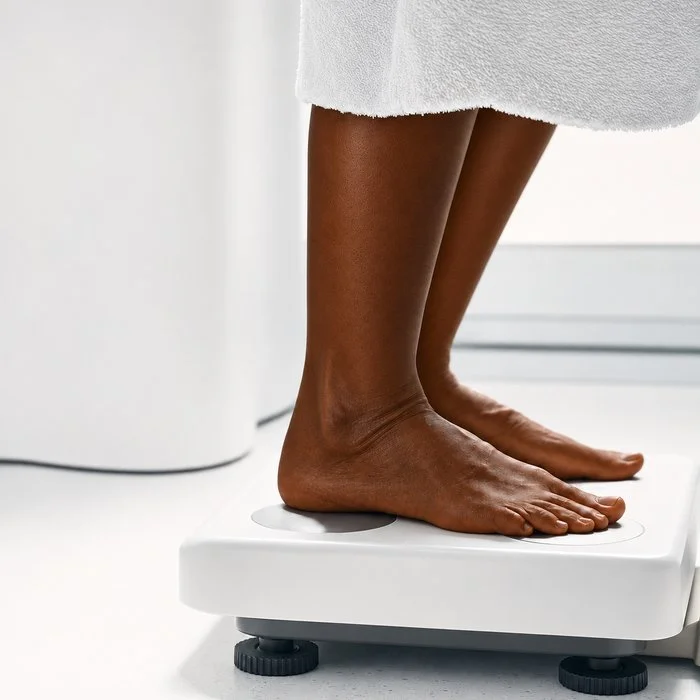
Monitoring may include:
Periodic AFB sputum cultures
Follow-up chest CT scans when appropriate
Tracking symptoms, weight, and energy levels
Continuing individualized airway clearance
Reviewing environmental precautions
Some people remain stable for years without treatment. Others may eventually need medication.
When Is MAC Treatment More Likely to Be Recommended?
Factors that may favor treatment include:
Cavities on CT imaging
Progressive CT changes
Increasing respiratory symptoms
Unintentional weight loss
Positive AFB smears
More extensive or aggressive disease
Every situation is different.
My Personal Experience With MAC
I lived with MAC for approximately two and a half to three years and ultimately cleared the infection without undergoing the standard prolonged three-antibiotic regimen. That experience taught me a great deal about individualized care, close monitoring, and the importance of looking at the whole picture rather than focusing on one test result.
But my experience is just that: my experience. It doesn’t mean someone else with MAC should avoid antibiotics. For many people, treatment is essential. What matters is making an informed decision with a medical team experienced in NTM lung disease.
MAC Lung Disease Treatment
Airway Clearance as Part of Your Care Plan
Keeping our airways clear of mucus is an important part of bronchiectasis management. Our airways are designed to move mucus up and out of the lungs. But with bronchiectasis, that natural clearance system doesn’t work as effectively.
That matters with MAC, too. Retained mucus can create an environment where NTM can grow, so an effective routine helps manage both conditions.
Airway clearance techniques, such as nebulized saline, OPEP devices, breathing techniques, and huff coughing, help mobilize and remove retained secretions. The goal is to find an effective, manageable routine that works for you, ideally with guidance from a respiratory therapist or physiotherapist experienced in bronchiectasis. For a full walk-through of techniques and devices, see Airway Clearance in Treating and Managing Bronchiectasis.
I continue airway clearance even when I feel well and am not producing mucus.
That’s part of my individualized maintenance plan.
The Standard Three-Antibiotic MAC Treatment
When antibiotics are recommended, doctors generally treat MAC with a combination of medications. Using multiple antibiotics improves effectiveness and reduces the risk of drug resistance.
For macrolide-susceptible MAC lung disease, treatment commonly includes:
Azithromycin, or sometimes clarithromycin
Ethambutol
A rifamycin, usually rifampin
Some people with noncavitary nodular-bronchiectatic disease may take medications three times a week.
People with cavitary or more severe disease generally require daily treatment. Clinicians may recommend additional medications in selected circumstances.
Before treatment begins, your MAC sample should be tested for macrolide (and amikacin) susceptibility. Macrolide-resistant MAC is harder to treat and requires a different regimen.
How Long Does MAC Treatment Last?
Current guidelines generally recommend continuing treatment for at least 12 months after sputum culture conversion. Because cultures can take several months to become negative, the total treatment period often lasts 15 to 18 months or longer.
What Is ARIKAYCE?
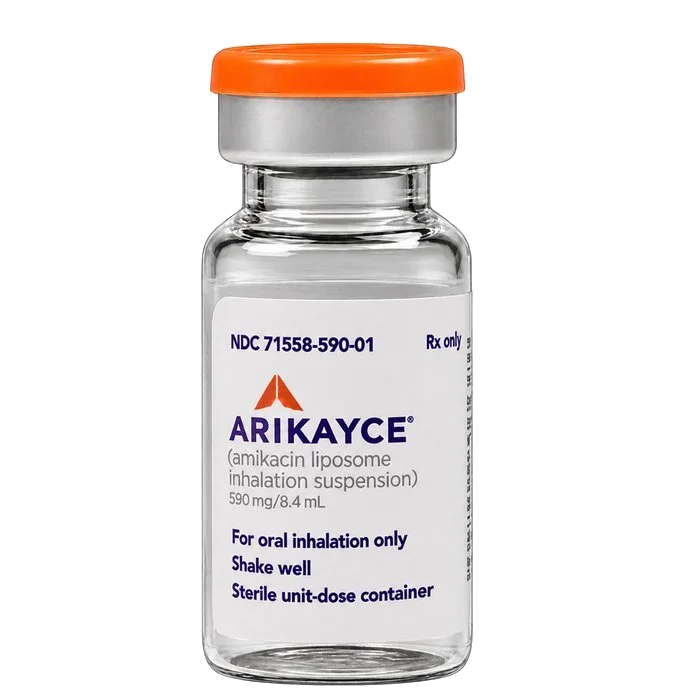
In 2018, the FDA approved ARIKAYCE® (amikacin liposome inhalation suspension) for adults with refractory MAC lung disease who have limited or no alternative treatment options and whose sputum cultures remain positive after at least six consecutive months of multidrug antibiotic treatment. ARIKAYCE is an inhaled antibiotic delivered through a specialized nebulizer system and used alongside other antibiotics, not as a stand-alone treatment.
Researchers are also investigating whether ARIKAYCE helps earlier in treatment, and the results are encouraging. In March 2026, the ENCORE study reported benefits when ARIKAYCE was added to standard antibiotics in people starting treatment for a new MAC infection. In September 2026, the FDA accepted Insmed’s application to expand ARIKAYCE’s approval, with a decision expected by January 28, 2027.
What Are the Side Effects of MAC Antibiotics?
MAC medications can cause side effects, and some require specific monitoring.
Azithromycin can cause digestive symptoms, hearing changes, and certain heart rhythm effects.
Ethambutol can affect vision, including color vision.
Rifampin can cause digestive symptoms, liver effects, and important medication interactions. It can also turn urine, tears, and sweat orange. This is harmless, but it can stain soft contact lenses.
ARIKAYCE can cause cough, hoarseness, and other respiratory side effects.
Because of these risks, your medical team may order eye exams, including color vision testing, while you take ethambutol; hearing tests while you take azithromycin or amikacin (including ARIKAYCE); periodic blood tests to check liver and kidney function; and sometimes an ECG to check heart rhythm.
Don’t assume you simply have to tolerate a troublesome side effect. Your medical team may be able to adjust your treatment or help you manage it.
Can MAC Lung Disease Come Back After Treatment?
Unfortunately, yes, about 40% of the time. And I think it’s important to understand the difference between relapse and reinfection.
A relapse occurs when the original infection returns.
A reinfection occurs when someone acquires a new strain of MAC from the environment.
Research shows recurrence is relatively common in certain forms of MAC lung disease, and many recurrent infections are reinfections rather than relapses. This helps explain why environmental precautions remain important even after successful treatment.
We can’t eliminate every exposure, but we can make thoughtful choices to reduce unnecessary risk.
Beyond MAC: Other NTM in Bronchiectasis
MAC isn’t the only NTM that can cause lung disease. Several other species do too, and some behave very differently from MAC. That’s why your lab report should name the exact species, and ideally the subspecies, not just “NTM” or “AFB positive.”
Mycobacterium abscessus
M. abscessus is a rapidly growing NTM. It’s one of the hardest lung infections to treat and the NTM most likely to occur alongside MAC in people with bronchiectasis.
The subspecies matters. M. abscessus has three subspecies: abscessus, massiliense, and bolletii. The difference comes down to one gene, erm(41):
Subsp. abscessus and bolletii usually carry a working erm(41) gene. It switches on when the bacteria are exposed to macrolides (azithromycin, clarithromycin), so they become resistant over time. This is called inducible macrolide resistance. Standard lab tests can miss it unless the lab holds the culture for an extended 14-day read.
Subsp. massiliense has a nonfunctional erm(41), so macrolides usually keep working. Treatment outcomes tend to be better.
Ask whether your lab ran subspecies identification and extended macrolide susceptibility testing. Those results shape the entire treatment plan.

Treatment is more intensive than for MAC. It usually starts with an initial (induction) phase that combines IV and oral antibiotics, often including:
IV amikacin
IV imipenem or cefoxitin
IV tigecycline
Oral drugs such as azithromycin (when it’s still active), clofazimine, or linezolid
The IV phase usually needs a PICC line or port and lasts weeks to months. A longer continuation phase of oral and inhaled antibiotics follows, often including inhaled amikacin (used off-label for M. abscessus). Treatment often continues for a year or more after sputum cultures turn negative. Side effects can be significant, including hearing loss, kidney effects, GI upset, and skin discoloration, so close monitoring is essential.
Outcomes vary. Cure rates are lower than for MAC, especially for subsp. abscessus. For some people, the goal shifts from cure to controlling symptoms and slowing lung damage. Surgery to remove a badly damaged area of lung is sometimes considered when the disease is localized. Researchers are studying newer drugs and approaches in clinical trials.
Care team. Because of its complexity, an NTM specialty center should manage M. abscessus, or be involved in its care.
Other NTM You May Hear About
M. kansasii: Behaves more like tuberculosis and usually responds well to treatment, typically rifampin, ethambutol, and either isoniazid or a macrolide. Even a single positive culture is often taken seriously.
M. xenopi: More common in parts of Canada and Europe, and often linked to COPD and cavities in the lung. Treatment usually combines rifampin, ethambutol, and a macrolide and/or moxifloxacin. Amikacin is sometimes added for more severe disease.
M. fortuitum and M. chelonae: Rapid growers that cause lung disease less often than M. abscessus.
M. gordonae: Usually a harmless contaminant from water or the environment, not a true infection.
Why Does the Species Matter?
Not all NTM are alike. The species and subspecies, along with drug-susceptibility testing, determine whether treatment is needed, which drugs to use, and how long it lasts. If your report doesn’t name the organism specifically, ask your doctor to find out.

Finding a Bronchiectasis and NTM Specialist
I can’t overstate the value of having clinicians who truly understand bronchiectasis and NTM lung disease. MAC can be complicated. Treatment decisions are nuanced, and what works for one person may not work for another.
Ideally, your care team should include a pulmonologist or infectious disease specialist experienced in NTM. An experienced respiratory therapist or physiotherapist can also make an enormous difference in developing an effective airway-clearance routine.
I know not everyone lives near a specialized bronchiectasis or NTM center. That’s why I strongly believe in patient education and helping people prepare informed questions for their appointments. I also recommend the NTM Talk podcast, hosted by NTM specialists.
The Bronchiectasis and NTM Care Center Network is one resource for finding specialized care.
Frequently Asked Questions About MAC and NTM Lung Disease
What is the difference between NTM and MAC lung disease?
NTM stands for nontuberculous mycobacteria, a large group of bacteria naturally found in water, soil, and dust. MAC, or Mycobacterium avium complex, is the most common cause of NTM lung disease in the United States. Simply put, all MAC is NTM, but not all NTM is MAC.
Can you have bronchiectasis without MAC?
Absolutely! Many people with bronchiectasis never develop MAC lung disease. However, damaged and widened airways can make it harder to clear mucus, creating conditions where NTM bacteria may grow. MAC can also contribute to bronchiectasis. That’s why monitoring for NTM is an important consideration in bronchiectasis care.
Can MAC lung disease go away without antibiotics?
Yes, in some cases. Some people with mild, stable MAC lung disease can be carefully monitored without starting antibiotics immediately, and spontaneous culture conversion can occur. I cleared MAC without undergoing the standard prolonged three-antibiotic treatment. But everyone’s situation is different, and some people absolutely need medication. Always make decisions with an experienced NTM specialist.
How do you know if MAC lung disease is getting worse?
Changes may include increased coughing, more mucus, fatigue, night sweats, unintentional weight loss, or shortness of breath. Doctors also look for changes on CT scans and in sputum cultures. Because MAC can progress slowly, watch for changes from your usual baseline and discuss them with your care team.
Is MAC lung disease contagious?
No. Unlike tuberculosis, MAC lung disease comes from environmental sources such as water and soil, not from another person. You don’t need to isolate yourself from family and friends because you have MAC.
How long does it take to treat MAC lung disease?
When antibiotics are needed, treatment typically continues for at least 12 months after sputum cultures become negative. This means the total treatment period may last 15 to 18 months or longer. Treatment depends on disease severity, the type of NTM, and how well someone responds to medication.
Is M. abscessus treated the same way as MAC?
No. M. abscessus is a rapidly growing NTM and is usually harder to treat than MAC. Treatment often starts with an intensive phase that includes IV antibiotics, followed by a longer phase of oral and/or inhaled medications. Which drugs work depends a lot on the subspecies. If your strain has a working erm(41) gene, macrolides like azithromycin may stop working over time. That’s why it’s important that your lab report names the subspecies, and why M. abscessus is best managed by an NTM specialist.
Can you have MAC and M. abscessus at the same time?
Yes. M. abscessus is the NTM most often found alongside MAC in people with bronchiectasis. Sometimes both show up in the same sputum sample, and sometimes one appears months after the other. Because the two are treated differently, and treatment for one can affect the other, it’s important that every positive culture is identified to the species level and that your doctor looks at the full picture before starting or changing treatment.
Should people with MAC lung disease avoid showers?
Not necessarily! NTM bacteria can live in household plumbing and become airborne in tiny water droplets. But that doesn’t mean we need to stop showering. Practical precautions, such as using a showerhead that produces larger droplets, improving ventilation, and reducing unnecessary steam, may help reduce exposure. The goal is to manage risk while continuing to enjoy everyday life.
Is airway clearance important if you have MAC and bronchiectasis?
Yes, airway clearance is an important part of managing bronchiectasis, including when MAC is present. Techniques such as nebulized saline, OPEP devices, breathing exercises, and huff coughing can help mobilize and remove mucus. The best routine depends on your individual needs. Personally, I continue daily airway clearance even when I’m not producing noticeable mucus.
What is the life expectancy of someone with MAC lung disease?
There isn’t one answer, and it’s important to understand that. MAC lung disease varies considerably from person to person. Some people remain stable for years, while others develop progressive disease. Age, nutritional status, other health conditions, lung damage, and treatment response all matter. A MAC diagnosis doesn’t automatically mean someone will develop advanced lung disease. An experienced medical team can help assess your individual outlook.
Continue exploring the BE CLEAR® Guide: Managing Bronchiectasis Flare-ups & Infections
References and Further Reading
Daley CL, Iaccarino JM, Lange C, et al. Treatment of Nontuberculous Mycobacterial Pulmonary Disease: An Official ATS/ERS/ESCMID/IDSA Clinical Practice Guideline. Clin Infect Dis. 2020;71(4):e1–e36. https://doi.org/10.1093/cid/ciaa241
Falkinham JO 3rd. Nontuberculous Mycobacteria from Household Plumbing of Patients with Nontuberculous Mycobacteria Disease. Emerg Infect Dis. 2011;17(3):419–424. https://pmc.ncbi.nlm.nih.gov/articles/PMC3166028/
Insmed. Positive Topline Results from Phase 3b ENCORE Study of ARIKAYCE. March 23, 2026. Press release
ARIKAYCE (amikacin liposome inhalation suspension) Prescribing Information. U.S. FDA, 2026. https://www.accessdata.fda.gov/drugsatfda_docs/label/2026/207356s025lbl.pdf
NTM Info & Research. https://ntminfo.org